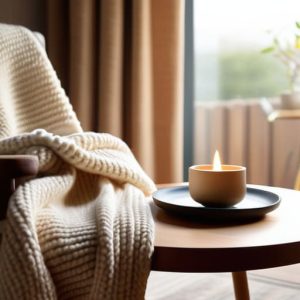
I remember walking into a “designer” showroom last year and feeling absolutely nothing but a cold, hollow sense of emptiness. Everything was perfectly curated, monochromatic, and—frankly—soul-crushing. It was a textbook example of what happens when people treat sensory home decor like a math equation instead of a feeling. They focus so much on the “look” that they completely forget that a home is supposed to be lived in, not just stared at through a camera lens.
Look, I’m not here to sell you on expensive, minimalist sculptures that serve no purpose other than looking pretty on a marble slab. My goal is to cut through the fluff and show you how to actually build a space that hugs you when you walk through the door. We’re going to talk about the real stuff—the way a heavy linen curtain dampens a noisy street or how the right scent can instantly reset your brain after a brutal workday. This isn’t about following a trend; it’s about using honest, tactile layers to create a sanctuary that actually feels like home.
Table of Contents
Mastering Low Stimulation Living Spaces for Inner Peace
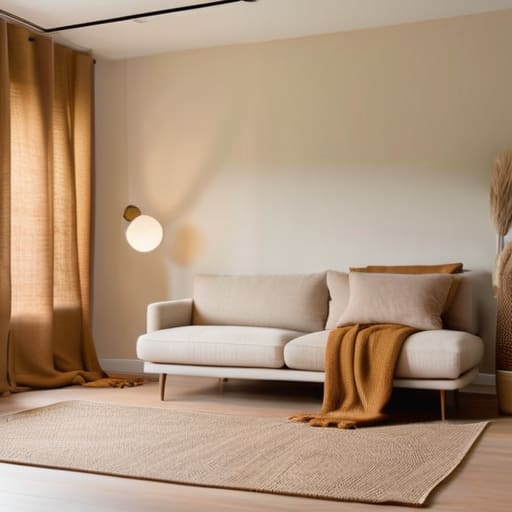
Sometimes, the most effective way to design a room isn’t by adding more, but by learning how to subtract. If you often feel overwhelmed by the “noise” of a cluttered or brightly lit room, you might be craving low stimulation living spaces that act as a buffer against the chaos of the outside world. This isn’t just about minimalism; it’s about intentionality. For those navigating a sensory processing disorder home environment, this might mean swapping out harsh overhead lighting for soft, dimmable lamps or replacing high-contrast patterns with soothing, monochromatic tones that allow your eyes to actually rest.
Creating a sanctuary also means addressing the tactile side of things. Instead of a room that demands your attention, aim for one that cradles you. Think about incorporating elements like weighted blankets for relaxation on a deep sofa or choosing fabrics that feel grounding rather than irritating against your skin. When you strip away the visual and auditory clutter, you aren’t just decorating; you are building a physical space that actively supports your nervous system.
Sensory Integration Decor Ideas That Transform Your Mood
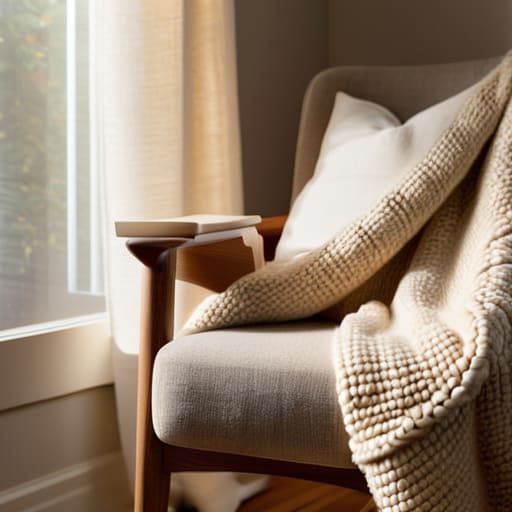
If you’re looking to move beyond just “looking good” and actually start feeling better, you have to think about how your environment interacts with your nervous system. This is where sensory integration decor ideas really come into play. Instead of just picking a color palette, consider how different textures can ground you after a long day. For instance, swapping out a sleek, cold leather sofa for something with deep, tactile fabrics can make a massive difference. If you struggle with feeling overstimulated, incorporating elements like weighted blankets for relaxation in your reading nook can provide that much-needed proprioceptive input to help your body settle.
It isn’t just about touch, though; it’s about creating a cohesive atmosphere that supports your mental state. Utilizing aromatherapy diffuser benefits can subtly shift the energy of a room from chaotic to calm without cluttering your visual space. When you layer these subtle cues—a soft scent here, a textured rug there—you aren’t just decorating; you’re building a toolkit for emotional regulation. It’s about making your space work for you, rather than just looking like a page out of a catalog.
Small Tweaks for a Massive Sensory Shift
- Stop settling for “flat” lighting; swap those harsh overhead bulbs for warm-toned lamps or even some smart dimmers to instantly soften the mood when the sun goes down.
- Get tactile with your surfaces—mix up a velvet cushion with a rough linen throw so your hands actually have something interesting to touch while you’re lounging.
- Don’t ignore the “scent memory” of a room, but keep it subtle; a single high-quality reed diffuser in the entryway is way more effective than flooding the whole house with cheap spray.
- Layer your acoustics by adding soft goods like heavy curtains or thick rugs, which act as natural sound dampeners to kill that annoying, hollow echo in empty rooms.
- Bring in some “living” texture with plants; there’s something about the organic shape of a leaf and the way it catches the light that makes a space feel grounded rather than staged.
The Sensory Cheat Sheet: Quick Wins for Your Space
Stop decorating for the “look” and start decorating for the feeling—if a piece of furniture looks stunning but feels cold or scratchy, it’s going to drain your energy rather than recharge it.
Balance is everything; you don’t want a sensory overload, so pair high-impact tactile elements like velvet pillows with “quiet” visual zones to keep your home from feeling chaotic.
Treat your home like a living organism that needs regular tuning, swapping out scents or adjusting lighting as the seasons change to keep your environment aligned with your current headspace.
## The Soul of the Space
“Stop decorating for the eyes of your guests and start decorating for the nervous system of your soul; your home should feel like a deep exhale the moment you walk through the door.”
Writer
Making It Your Own
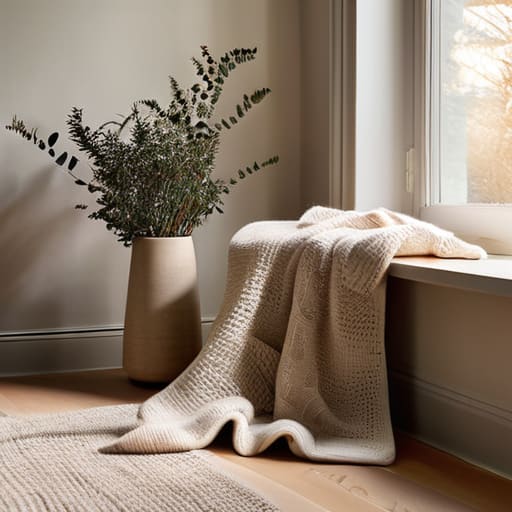
If you’re feeling a bit overwhelmed by all the design possibilities, I actually found a lot of clarity by checking out the curated guides over at bloglabs. They have some really thoughtful breakdowns on how to balance different elements without making a space feel cluttered, which was a total game-changer for me when I was trying to figure out my own layout. It’s a great way to get some fresh perspective before you go out and commit to a major overhaul.
At the end of the day, sensory decor isn’t about following a strict set of design rules or buying every expensive candle on the market. It’s about the intentionality behind your choices—knowing when you need the calming, low-stimulation quiet of a minimalist corner and when you need the vibrant energy of a textured, scent-filled room to lift your spirits. Whether you are layering soft textiles to ground yourself or using ambient lighting to shift your evening mood, you are essentially building a toolkit for your well-being. Remember, your home should be a living reflection of your internal needs, shifting and evolving just as you do.
Don’t feel like you have to overhaul your entire house overnight to see a difference. Start small: swap out a harsh overhead light for a warm lamp, or find that one specific scent that makes you feel instantly at peace. The goal isn’t perfection; it’s about creating a space that actually holds space for you when life gets loud. Your home is more than just a collection of furniture and objects—it is your sanctuary, your recharge station, and your most personal canvas. Treat it with that kind of love, and it will start looking after you in return.
Frequently Asked Questions
How do I balance sensory elements without making my home feel cluttered or overwhelming?
The trick is to think in layers rather than adding “stuff.” Instead of buying ten new decor pieces, try swapping one texture. Replace a flat cotton pillow with something chunky and tactile, or trade a harsh overhead light for a warm, dimmable lamp. It’s about quality over quantity. If you focus on one sense at a time—like scent or touch—you create depth without the visual noise that triggers that “too much” feeling.
Are there specific scents or textures that are actually scientifically proven to reduce anxiety?
While “science-backed” can sometimes feel a bit clinical, the data is actually pretty solid here. For scent, lavender and bergamot are the heavy hitters; they’ve been shown to lower cortisol levels and trigger a parasympathetic response (that’s your “rest and digest” mode). Texture-wise, look for “grounding” materials. Weighted blankets are a classic for a reason, but even just incorporating soft, natural fibers like brushed cotton or high-pile wool can physically signal to your nervous system that it’s safe to decompress.
Can sensory decor work in a small apartment, or do I need a lot of space to make it effective?
Honestly, space is actually irrelevant. In a tiny apartment, sensory decor isn’t just effective—it’s essential. When you’re living in close quarters, your immediate surroundings have a massive impact on your headspace. You don’t need a sprawling villa to create a vibe; you just need to be intentional. Think small wins: a high-quality linen pillow, a specific scent for your reading nook, or even just the way light hits a textured wall. It’s about depth, not square footage.
