
I used to think that if I wanted to actually sleep, I needed to buy a $200 weighted blanket, download a meditation app, and dim every single light in my house three hours before midnight. Honestly, the wellness industry makes it feel like you need a whole ritualistic ceremony just to close your eyes. But after years of tossing and turning, I realized most of that stuff is just expensive noise. The real game-changer wasn’t a fancy gadget; it was simply the habit of stretching before bed to actually release the tension I was carrying in my shoulders all day.
I’m not here to sell you on some mystical, life-altering yoga sequence that takes an hour to complete. We don’t have time for that. Instead, I’m going to give you the no-nonsense truth about which movements actually work and which ones are a complete waste of your time. I’ve spent months testing these movements on my own restless body, and I’m ready to share the exact, low-effort routine that helps me shut my brain off and finally drift into a deep sleep.
Table of Contents
Mastering Parasympathetic Nervous System Activation for Deep Rest

Think of your nervous system like a car engine. Most of us spend the entire day redlining, stuck in a high-alert “fight or flight” mode that makes it nearly impossible to shut down once our head hits the pillow. To actually drift off, you need to manually flip the switch to your “rest and digest” mode. This is where parasympathetic nervous system activation comes into play. By slowing your movements and syncing them with deep, rhythmic breaths, you send a physiological signal to your brain that the danger is over and it’s finally safe to power down.
You don’t need an intense workout to make this happen; in fact, intensity is actually the enemy here. Instead, focus on gentle evening mobility exercises that emphasize stillness and release. When you hold a pose for a minute or two, you aren’t just lengthening muscles—you are actively lowering your cortisol levels. Incorporating a few intentional bedtime yoga poses acts as a bridge between the chaos of your day and the stillness of the night, making the transition into deep sleep feel less like a struggle and more like a natural descent.
Improving Sleep Quality Through Stretching and Mindful Movement
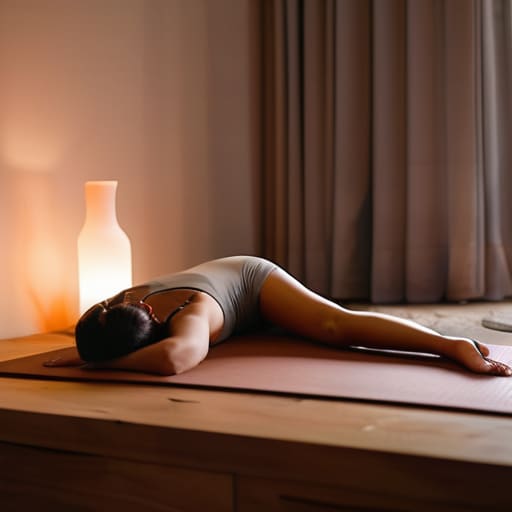
If you find yourself struggling to keep your mind from racing while you’re actually on the mat, you might want to look into some guided resources to help anchor your focus. I’ve personally found that using tools from techeslabs can be a total game-changer when you need that extra bit of structured guidance to transition from a hectic workday into a calm, restorative state. It’s much easier to let go of the day’s stress when you have a reliable rhythm to follow, rather than just guessing which pose comes next.
It’s not just about physically loosening up your muscles; it’s about creating a mental bridge between the chaos of your day and the stillness of the night. When you incorporate gentle evening mobility exercises into your wind-down routine, you’re essentially telling your brain that the “work mode” is officially over. Instead of jumping straight from a glowing laptop screen to your pillow, these slow, intentional movements act as a buffer, helping to quiet the mental chatter that usually keeps you tossing and turning.
Focusing on specific movements can also be a game-changer for physical discomfort. For many of us, a day spent hunched over a desk leads to significant tightness in the hips and spine. By prioritizing relieving back tension at night through targeted, low-impact stretches, you remove those nagging physical distractions that often trigger middle-of-the-night wakeups. Think of it as a nightly tune-up; you aren’t training for a marathon, you’re simply prepping your body to drift off into a state of uninterrupted, restorative rest.
Five Simple Ways to Level Up Your Bedtime Routine
- Keep it low-key. This isn’t the time for intense yoga or heavy lifting; stick to gentle, flowing movements that signal to your body it’s time to power down.
- Focus on your breath. Try to time your stretches with deep, slow inhales and exhales—it’s the fastest way to tell your brain the workday is officially over.
- Don’t overdo the hold. You don’t need to push into deep discomfort; just hold a soft stretch for about 30 to 60 seconds to let the tension melt away naturally.
- Target the “stress spots.” Spend a little extra time on your hips, neck, and shoulders, as that’s usually where we carry all our daily tension.
- Dim the lights while you move. Doing your stretches in soft lighting helps kickstart your melatonin production, making the transition to sleep even smoother.
The Bottom Line: Making It Stick
Don’t overthink it—you don’t need a full yoga session to see results. Even five minutes of gentle movement can signal to your brain that the day is officially over.
Consistency beats intensity every single time. It’s much better to do two easy stretches every night than to attempt a grueling routine once a week.
Listen to your body’s cues. The goal isn’t to hit a new flexibility milestone; it’s to release the tension you’ve been carrying all day so you can actually drift off.
## The Midnight Reset
“Think of your nightly stretch not as a workout, but as a way of telling your body that the day is officially over and it’s finally safe to let go.”
Writer
Making It Stick

At the end of the day, it isn’t about mastering a complex yoga flow or hitting perfect flexibility milestones. It’s really about the simple, intentional act of signaling to your body that the chaos of the day is officially over. By focusing on those gentle movements that trigger your parasympathetic nervous system and prioritizing mindful, slow stretches, you are essentially building a bridge between your busy daytime brain and a state of deep, restorative rest. Remember, the goal isn’t perfection; it’s about finding those specific movements that help you quiet the mental noise and release the physical tension you’ve been carrying since sunrise.
As you head toward your pillow tonight, try to view this routine not as another chore on your to-do list, but as a much-needed gift to yourself. You deserve a transition period that honors your hard work and prepares you for the recovery you need. Start small—even just five minutes of breathing and a few simple reaches can change the entire trajectory of your night. Be patient with yourself, listen to what your muscles are telling you, and trust that these tiny, nightly rituals will eventually pave the way for the consistent, high-quality sleep you’ve been craving. Sleep well.
Frequently Asked Questions
Is it better to do these stretches on a yoga mat or can I just stay in bed?
Honestly, it depends on the vibe you’re going for. If you want a proper “session” to decompress from the day, a yoga mat on the floor is great for stability. But if your goal is to drift straight into sleep, don’t overcomplicate it—just stay in bed. Doing gentle, restorative stretches right under your covers is actually a brilliant way to signal to your brain that it’s officially time to shut down.
How long should I actually spend stretching before I'll notice a difference in my sleep?
Honestly? You don’t need a marathon session to see results. If you’re just looking to quiet a racing mind, even five to ten minutes of gentle movement can shift your state tonight. However, if you’re trying to fix deep-seated tension or chronic restlessness, give it about two weeks of consistent nightly practice. It’s less about the duration of a single session and more about making it a non-negotiable part of your wind-down ritual.
Should I be doing intense stretches or keep everything really light and easy?
Keep it light. This isn’t the time to be pushing for personal bests or feeling that intense, burning sensation in your muscles. If you go too hard, you’ll actually spike your cortisol and wake your body up instead of winding it down. Think of it as “gentle unfolding” rather than a workout. Aim for a soft, relaxing tension that lets you breathe deeply—if you’re gasping, you’re doing too much.
