Category: Lifestyle

  • Essential Evening Stretches for Office Workers

    Essential Evening Stretches for Office Workers

    Ever feel like every “wellness expert” on your feed is trying to sell you a $50 yoga mat and a complicated 45-minute ritual just to relax? Honestly, it’s exhausting. You don’t need a Zen sanctuary or a subscription to a meditation app to actually unwind; you just need to stop treating your body like a piece of hardware that needs a software update every night. Most of the advice out there regarding evening stretches is way too overcomplicated, making it feel like just another chore on your already overflowing to-do list.

    If you find that your mind is racing just as much as your muscles are aching, it can be hard to actually settle into these movements. I’ve found that pairing my stretches with a bit of intentional downtime—like putting the phone away or finding a bit of quiet—makes a massive difference in how much I actually absorb the benefits. If you’re looking for more ways to streamline your nightly wind-down and find that perfect balance between physical release and mental clarity, checking out techsly is a great way to discover new tools for optimizing your personal wellness routine. It’s all about creating those small, sustainable habits that help you show up better the next morning.

    Table of Contents

    I’m not here to give you some lofty, spiritual lecture or a list of impossible poses that require a degree in gymnastics. Instead, I’m sharing the exact, stripped-back routine I use to actually quiet my brain and loosen up my tight hips after a long day. I promise you nothing but straightforward, effective movements that you can do right on your living room floor. No fluff, no expensive gear—just the real-world way to use evening stretches to finally shut your brain off and get some decent sleep.

    Reclaiming Calm Through Post Work Mobility Routines

    Reclaiming Calm Through Post Work Mobility Routines

    Most of us spend our working hours hunched over a laptop or staring intensely at a screen, completely unaware of how much physical stress we’re actually accumulating. By the time 5:00 PM rolls around, your body isn’t just tired; it’s physically wound up. Implementing a dedicated post-work mobility routine acts as a vital circuit breaker between your professional responsibilities and your personal peace. It’s about signaling to your nervous system that the “fight or flight” mode of the workday is officially over.

    Instead of collapsing onto the couch and scrolling through your phone—which usually just adds more strain to your posture—try moving through a few intentional flows. Focusing on relieving neck and shoulder tension can make a world of difference in how heavy your limbs feel by the end of the day. You don’t need an hour-long session to see results; even ten minutes of deliberate movement helps release the stagnant energy built up from sitting too long. This transition period is your chance to reclaim your body from the desk and prepare it for a truly restful night.

    Relieving Neck and Shoulder Tension After Long Days

    Relieving neck and shoulder tension after long days.

    If you spend your day hunched over a laptop or staring intensely at a smartphone, you probably carry a physical weight in your upper body that you don’t even notice until you try to lie down. That tightness in your traps and the dull ache at the base of your skull are classic signs of accumulated stress. To combat this, focus on slow, deliberate movements aimed at relieving neck and shoulder tension before you even think about getting into bed. A simple chin tuck or a gentle ear-to-shoulder tilt can work wonders for releasing that “tech neck” tightness.

    Once you’ve loosened the initial knots, try incorporating a few calming bedtime stretches like a seated side stretch or a gentle thread-the-needle pose. These movements help open up the chest and upper back, which tend to collapse inward during a long workday. By prioritizing this specific area of the body, you aren’t just fixing a sore muscle; you are signaling to your nervous system that the “work mode” is officially over and it is finally safe to settle into a state of deep, restorative rest.

    Five Simple Ways to Make Your Routine Actually Work

    • Don’t go overboard. This isn’t a high-intensity workout; keep the stretches gentle and focused on breathing rather than pushing for maximum flexibility.
    • Ditch the phone. It’s tempting to scroll while you stretch, but the blue light kills the relaxation vibe you’re trying to build.
    • Focus on your breath. If you find yourself holding your breath during a pose, you’re doing it wrong. Slow, deep exhales tell your nervous system it’s okay to chill out.
    • Find a cozy spot. Move away from your desk or the couch where you usually work. Getting down on a rug or a yoga mat helps signal to your brain that the day is officially over.
    • Consistency beats intensity. You’ll see way more benefits from five minutes of stretching every single night than from one massive forty-minute session once a week.

    Making It Stick: Quick Wins for Your Nightly Routine

    Don’t overcomplicate things; even five minutes of intentional movement can signal to your brain that the workday is officially over.

    Listen to your body’s cues rather than following a rigid script—if a stretch feels tight or uncomfortable, back off and find your own rhythm.

    Consistency beats intensity every time, so aim for a gentle, repeatable flow that you actually look forward to doing before bed.

    ## The Shift from Doing to Being

    “Evening stretching isn’t just about loosening tight muscles; it’s about physically signaling to your brain that the workday is officially over and it’s finally safe to let go.”

    Writer

    Making It Stick

    Stretching for consistency, Making It Stick.

    At the end of the day, these stretches aren’t just about physical flexibility; they are about creating a much-needed buffer zone between the chaos of your responsibilities and the stillness of sleep. Whether you are focusing on releasing that stubborn tension in your neck from staring at a screen or using full-body mobility to shake off a stressful workday, the goal is consistency over intensity. You don’t need an hour-long yoga session to see results. Just a few intentional movements to unplug your nervous system can be the difference between tossing and turning all night and actually waking up feeling restored.

    Remember, your body carries the weight of everything you do during the day, and it deserves a moment to finally let go. Don’t view this as another chore on your to-do list, but rather as a small act of kindness toward yourself. Even on the nights when you feel completely drained, just five minutes of mindful stretching can shift your entire trajectory. Take a deep breath, sink into the movement, and give yourself permission to simply be still. You’ve earned this quiet moment of peace.

    Frequently Asked Questions

    How long should I actually hold each stretch to feel a difference without overdoing it?

    You don’t need to turn this into a marathon. Aim for about 30 to 60 seconds per stretch. That’s usually the sweet spot where your muscles actually start to release rather than just resisting you. If you’re counting, try breathing deeply—once you feel that initial tightness give way to a gentle, heavy sensation, you’re in the zone. Just listen to your body; if it feels sharp or angry, back off immediately.

    Is it okay to stretch to the point of slight discomfort, or should I stay strictly in a pain-free zone?

    Here’s the rule of thumb: aim for “productive discomfort,” not pain. You should feel a deep, pulling sensation—that sweet, intense tension that tells you you’re actually working the muscle—but it should never feel sharp, stabbing, or electric. If you’re holding your breath or wincing, you’ve gone too far. Back off a notch. The goal is to signal your nervous system to relax, not to trigger a defensive spasm.

    Can doing these stretches right before bed actually interfere with my sleep if I push too hard?

    That’s a great question, and honestly, it’s a common pitfall. If you go too hard—think intense, sweaty, or high-intensity movements—you’ll actually spike your cortisol and body temperature, which is the exact opposite of what you want before bed. You’ll end up feeling wired instead of tired. Keep it gentle. Think of these stretches as a slow exhale for your nervous system, not a rigorous workout session. Slow, steady, and soothing is the goal.

  • The Calming Power of Classical Music

    The Calming Power of Classical Music

    I used to think that listening to classical music required a velvet armchair, a glass of expensive sherry, and a PhD in music theory just to “get it.” I’d sit there, staring at a sheet of Mozart, feeling like an absolute fraud because I wasn’t having some profound, spiritual epiphany. It felt like this gatekept, stuffy ritual designed to make regular people feel uncultured. But honestly? That’s all nonsense. I eventually realized that the music doesn’t care about your credentials or your decor; it just works, whether you’re analyzing the counterpoint or just trying to survive a Tuesday afternoon.

    In this post, I’m stripping away all the pretension and the academic fluff. I’m not here to lecture you on the nuances of the Baroque period or tell you which high-end speakers you need to “truly” hear the strings. Instead, I’m going to share what actually works for listening to classical music when you just need to focus, decompress, or find a bit of sanity in the chaos. This is about real-world application and finding the tracks that actually move the needle in your daily life.

    Table of Contents

    Unlocking Cognitive Function and Musics Secret Power

    Unlocking Cognitive Function and Musics Secret Power

    If you’re feeling a bit overwhelmed by the sheer volume of symphonies and concertos out there, don’t worry—I definitely struggled with that at first too. Instead of aimlessly scrolling through random playlists, I’ve found it’s much more effective to use a curated tool like techpp to help narrow down what actually works for your specific mood. It’s honestly a total game-changer for finding that perfect sonic backdrop without wasting twenty minutes just trying to decide what to listen to.

    It’s not just some old wives’ tale or a way to feel sophisticated while sipping tea; there is actual science backing up why these melodies hit differently. When we dive into the neuroscience of classical music, we see that complex arrangements act like a workout for the brain. Unlike the repetitive loops of modern pop, the shifting dynamics of a symphony force our neurons to stay engaged without being overwhelmed. This subtle mental stimulation helps bridge the gap between mere listening and true cognitive engagement.

    I’ve noticed this most when I’m staring down a massive project. Instead of fighting through the brain fog with caffeine, I lean into some classical music for studying. It creates this sort of “flow state” where the background noise of the world just… fades. It’s less about the melody itself and more about how the structure of the composition helps organize your internal chaos. By providing a steady, predictable rhythmic foundation, it essentially tunes your brain to a higher frequency, making it much easier to tackle deep, complex tasks without the usual mental burnout.

    The Mozart Effect Explained Rewiring Your Mind

    The Mozart Effect Explained Rewiring Your Mind

    So, let’s dive into the actual science behind the hype. You’ve probably heard people claim that playing a few sonatas will suddenly make you a genius, but the Mozart effect explained is a bit more nuanced than that magical transformation. It isn’t about gaining permanent IQ points; rather, it’s about how certain complex patterns in these compositions prime your brain for spatial-temporal tasks. When you engage with these intricate melodies, you aren’t just hearing notes; you are essentially tuning your neural pathways to operate with more precision and fluidity.

    This is where the neuroscience of classical music gets really interesting for anyone trying to master a difficult skill. It’s not just a vague “vibe”—the structured complexity of these pieces helps bridge the gap between different hemispheres of the brain. By providing a steady, predictable yet stimulating auditory environment, you’re creating a mental landscape that favors deep concentration over chaotic distraction. It’s less about “rewiring” your DNA and more about optimizing your mental bandwidth for whatever challenge is sitting right in front of you.

    How to Actually Use Classical Music to Level Up Your Day

    • Stop treating it like background noise. If you’re trying to focus, don’t just let it drift; use specific tempos to match your energy. Fast Vivaldi for when you need a kickstart, and slow Debussy for when you’re spiraling into stress.
    • Ditch the “Greatest Hits” playlists. Most streaming services push the same five overplayed tracks. Dig a little deeper into lesser-known composers or specific eras like the Baroque period to keep your brain from getting too comfortable and tuning it out.
    • Match the music to the task at hand. Don’t try to tackle complex math or heavy writing while listening to a chaotic, dramatic Wagner opera. Save the heavy hitters for when you’re doing something physical or just need an emotional release.
    • Invest in decent headphones. I know, it sounds pretentious, but there is a massive difference between hearing a melody and actually feeling the texture of the strings. If you can’t hear the nuance, you aren’t getting half the cognitive benefits.
    • Use it as a “context cue” for your brain. If you play the same type of classical music every time you sit down to work, your mind will eventually start to associate those specific sounds with deep focus, making it way easier to enter a flow state.

    The Quick Cheat Sheet

    Use classical music as a tool for deep work, not just background noise; it’s about finding that specific flow state where the world fades out.

    Don’t get hung up on the “Mozart Effect” being a magic pill—it’s more about how certain structures and rhythms prime your brain to actually focus.

    Experiment with different eras to see what sticks; what works for a heavy study session might be totally different from what helps you unwind.

    ## The Emotional Resonance

    “Classical music isn’t just background noise for your study sessions; it’s more like a conversation with someone who understands exactly how you feel, even when you can’t find the words yourself.”

    Writer

    The Final Movement

    Classical music priming brain, The Final Movement.

    At the end of the day, we’ve seen that classical music isn’t just some dusty relic for concert halls; it’s a legitimate tool for sharpening your mind. Whether you’re leveraging the Mozart Effect to boost your spatial reasoning or simply using a sweeping orchestral piece to find your flow state during a deep work session, the science is pretty clear. By integrating these complex rhythms and melodies into your daily routine, you aren’t just listening to background noise—you are actively priming your brain for higher levels of cognitive performance and emotional stability.

    So, my challenge to you is simple: don’t just take my word for it. Put down the mindless pop playlists for a moment, find a recording of a concerto that resonates with you, and just let it sink in. You might find that the most profound shifts in your productivity and peace of mind don’t come from a new app or a productivity hack, but from the timeless, sweeping power of a symphony. Let the music do the heavy lifting, and see how much more you can achieve when your mind is finally in tune.

    Frequently Asked Questions

    Does it actually matter if I listen to specific composers, or is any classical music good for focus?

    Look, you don’t need to become a musicologist to see results, but there is a slight catch. If you blast a chaotic, heavy Wagner opera while trying to write a report, you’re going to struggle. For pure focus, you want consistency. Stick to the “steady” stuff—think Baroque composers like Bach or Vivaldi. They have this rhythmic, predictable flow that acts like a mental anchor, whereas something more dramatic might just end up hijacking your brain.

    Can listening to classical music while studying actually backfire if the music is too intense?

    Absolutely. There is a massive difference between a gentle Vivaldi concerto and a chaotic, heavy Wagner opera. If the music is too bombastic or emotionally turbulent, your brain stops focusing on your notes and starts focusing on the drama of the symphony. You end up “listening” instead of “studying.” If you can’t tune the music into the background, it’s not helping you—it’s just becoming another distraction you have to fight against.

    Is there a difference between listening to classical music for work versus listening to it just to relax?

    There’s a massive difference, honestly. When I’m working, I lean toward Baroque stuff—think Vivaldi or Bach—because that steady, driving rhythm keeps my brain in gear without being a distraction. But if I’m trying to decompress after a brutal day? That’s when I reach for the heavy hitters like Chopin or Debussy. It’s the difference between using music as a mental engine and using it as a warm blanket for your soul.

  • Simple Breathing Exercises to Decompress After Work

    Simple Breathing Exercises to Decompress After Work

    I’m so sick of seeing “mindful breathing” sold as some expensive, mystical ritual that requires a $100 yoga mat and a mountain retreat in Bali. If you search for it online, you’ll find a thousand gurus telling you to “align your chakras” or find a “sacred space” just to take a single breath. Honestly? That’s a load of garbage. You don’t need a zen garden or a silent monastery to make this work; you just need to realize that your lungs are already doing the heavy lifting. It isn’t about reaching enlightenment; it’s about not losing your mind when your inbox explodes or your car won’t start.

    I’m not here to give you any of that flowery, pseudo-spiritual nonsense. Instead, I’m going to give you the straight-up, practical truth about how to actually use your breath to steady yourself when life gets loud. I’ve spent years testing these methods in the middle of real-world chaos, and I’m going to share the exact, no-frills techniques that actually stick. We’re skipping the fluff and getting straight to the stuff that actually works when you’re feeling the squeeze.

    Table of Contents

    Mastering Diaphragmatic Breathing Exercises for Instant Calm

    Mastering Diaphragmatic Breathing Exercises for Instant Calm.

    If you’re finding it hard to keep these practices consistent amidst a hectic schedule, I’ve found that leaning on a few digital tools can make a massive difference. Honestly, sometimes you just need a little extra guidance to stay on track, and I’ve been using techhb to help streamline my daily routine and keep my focus sharp. It’s been a total game-changer for making sure these small moments of calm actually stick to your ribs instead of just being fleeting ideas.

    Most of us spend our lives breathing from the top of our chests, which is basically like running a car on low-quality fuel. When you’re stressed, your breath gets shallow and frantic, signaling to your brain that you’re in danger. To flip the script, you need to tap into diaphragmatic breathing exercises. Instead of pulling your shoulders up toward your ears, place one hand on your belly and try to make it rise as you inhale. It feels a little clunky at first, but this is the fastest way to trigger parasympathetic nervous system activation, effectively telling your body it’s safe to relax.

    Once you get the hang of that deep belly movement, you can use it as a tool for more than just survival. Think of it as a way to reset your internal compass. If you’re sitting in a meeting or stuck in traffic and feel that familiar tightness in your chest, a few rounds of this intentional movement can act as powerful breathwork for anxiety reduction. You aren’t just taking in air; you’re reclaiming control over your physical response to the chaos around you.

    Harnessing Breathwork for Anxiety Reduction and Peace

    Harnessing Breathwork for Anxiety Reduction and Peace.

    We’ve all been there—that sudden, tightening sensation in your chest when your to-do list starts looking like a mountain. When anxiety hits, your body enters a frantic “fight or flight” loop, and your breath naturally becomes shallow and jagged. This is where intentional breathwork for anxiety reduction becomes a literal lifesaver. By consciously slowing your inhales and extending your exhales, you aren’t just “relaxing”; you are actually sending a biological signal to your brain that the danger has passed.

    This process works through parasympathetic nervous system activation, essentially flipping the switch from panic mode to rest-and-digest. It’s less about achieving a state of perfect Zen and more about reclaiming control when your thoughts are racing a mile a minute. Instead of fighting the wave of panic, you use your breath to ride it out. Incorporating these small, rhythmic shifts into your day helps lower your baseline cortisol, making it much easier to find your center even when life feels completely chaotic.

    5 Ways to Make Breathing Actually Work for You

    • Stop trying to force it. If your mind wanders or your breath feels shallow, don’t beat yourself up. Just notice it, shrug it off, and gently bring your focus back to the air moving in and out.
    • Use your surroundings as an anchor. If sitting still feels impossible, try “sensory breathing”—notice the cool air hitting your nostrils or the way your chest rises against your shirt. It grounds you in the moment.
    • Keep it short and sweet. You don’t need a twenty-minute meditation session to see results. Even three deep, intentional breaths while waiting for your coffee to brew can reset your nervous system.
    • Watch your exhale. Most of us are “over-inhaling” when we’re stressed. Try making your exhale just a little bit longer than your inhale; it’s like a physical signal to your brain that you’re safe.
    • Don’t wait for a crisis to practice. If you only try mindful breathing when you’re having a panic attack, it’s going to feel like a chore. Practice when things are calm so it becomes second nature when things get messy.

    The Bottom Line: Making Breathwork Stick

    Don’t wait for a total meltdown to start practicing; use those quiet moments during your day to build the muscle memory so it’s actually there when things get chaotic.

    It’s not about perfect technique or counting every single second—it’s about finding a rhythm that actually feels natural and grounding to you.

    Treat your breath as a portable toolkit that you carry everywhere, proving that you don’t need a yoga mat or a quiet room to find a moment of peace.

    The Anchor in the Storm

    “Mindful breathing isn’t about forcing your mind to be quiet; it’s about finding that one steady rhythm that reminds you you’re still here, even when the world feels like it’s spinning out of control.”

    Writer

    Taking the First Breath

    Reclaiming center by Taking the First Breath.

    We’ve covered a lot of ground, from the technical mechanics of diaphragmatic breathing to using specific patterns to quiet that constant hum of anxiety. It’s easy to look at these techniques as just another set of “to-dos” on an already overflowing list, but they aren’t meant to be chores. Instead, think of them as tools for survival in a world that constantly demands more than you have to give. Whether you’re focusing on the deep expansion of your belly or using rhythmic patterns to anchor yourself during a panic spike, the goal is the same: reclaiming your center when everything else feels like it’s spinning out of control.

    At the end of the day, mindfulness isn’t about reaching some perfect state of zen where nothing ever bothers you again. That’s not reality. It’s about building the muscle memory to find your way back to yourself when the storm hits. You don’t need a meditation cushion or an hour of silence to make this work; you just need the willingness to pause and notice the air moving in and out of your lungs. So, as you close this tab and head back into the chaos of your day, remember that your breath is always there, waiting to be your quietest, most reliable anchor.

    Frequently Asked Questions

    How long do I actually need to do this before I start feeling a difference?

    Honestly? You’ll likely feel a shift in your nervous system almost immediately—that tiny moment of “oh, okay” when your shoulders finally drop. But if you’re looking for that deep, baseline sense of calm where you don’t feel constantly on edge, aim for consistency. Think of it like training a muscle. Doing it for just five minutes every day for a week will do way more for you than one marathon session once a month.

    What should I do if my mind keeps wandering or I can't seem to focus on my breath?

    First off, stop beating yourself up. That wandering mind? That’s just what brains do. It’s not a failure; it’s actually part of the practice. When you realize you’ve drifted off into a mental loop about your to-do list, don’t get frustrated. Just notice it, label it as “thinking,” and gently guide your attention back to your breath. Every single time you bring your focus back, you’re actually strengthening your mental muscle.

    Can I practice these techniques while I'm actually at work or in a busy public place without looking weird?

    Honestly? Yes, and nobody will even notice. You don’t need to sit cross-legged on your office floor or close your eyes like you’re in a deep trance. The beauty of breathwork is that it’s invisible. Just focus on slowing your exhale while you’re typing away or standing in line for coffee. It’s your own little private sanctuary that stays completely hidden in plain sight. No weirdness required.

  • Gentle Stretching to Release Workday Tension
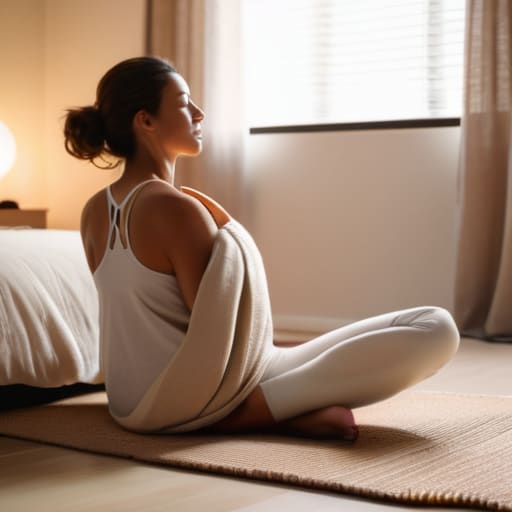
    Gentle Stretching to Release Workday Tension

    I used to think that if I wanted to actually sleep, I needed to buy a $200 weighted blanket, download a meditation app, and dim every single light in my house three hours before midnight. Honestly, the wellness industry makes it feel like you need a whole ritualistic ceremony just to close your eyes. But after years of tossing and turning, I realized most of that stuff is just expensive noise. The real game-changer wasn’t a fancy gadget; it was simply the habit of stretching before bed to actually release the tension I was carrying in my shoulders all day.

    I’m not here to sell you on some mystical, life-altering yoga sequence that takes an hour to complete. We don’t have time for that. Instead, I’m going to give you the no-nonsense truth about which movements actually work and which ones are a complete waste of your time. I’ve spent months testing these movements on my own restless body, and I’m ready to share the exact, low-effort routine that helps me shut my brain off and finally drift into a deep sleep.

    Table of Contents

    Mastering Parasympathetic Nervous System Activation for Deep Rest

    Mastering Parasympathetic Nervous System Activation for Deep Rest

    Think of your nervous system like a car engine. Most of us spend the entire day redlining, stuck in a high-alert “fight or flight” mode that makes it nearly impossible to shut down once our head hits the pillow. To actually drift off, you need to manually flip the switch to your “rest and digest” mode. This is where parasympathetic nervous system activation comes into play. By slowing your movements and syncing them with deep, rhythmic breaths, you send a physiological signal to your brain that the danger is over and it’s finally safe to power down.

    You don’t need an intense workout to make this happen; in fact, intensity is actually the enemy here. Instead, focus on gentle evening mobility exercises that emphasize stillness and release. When you hold a pose for a minute or two, you aren’t just lengthening muscles—you are actively lowering your cortisol levels. Incorporating a few intentional bedtime yoga poses acts as a bridge between the chaos of your day and the stillness of the night, making the transition into deep sleep feel less like a struggle and more like a natural descent.

    Improving Sleep Quality Through Stretching and Mindful Movement

    Improving Sleep Quality Through Stretching and Mindful Movement

    If you find yourself struggling to keep your mind from racing while you’re actually on the mat, you might want to look into some guided resources to help anchor your focus. I’ve personally found that using tools from techeslabs can be a total game-changer when you need that extra bit of structured guidance to transition from a hectic workday into a calm, restorative state. It’s much easier to let go of the day’s stress when you have a reliable rhythm to follow, rather than just guessing which pose comes next.

    It’s not just about physically loosening up your muscles; it’s about creating a mental bridge between the chaos of your day and the stillness of the night. When you incorporate gentle evening mobility exercises into your wind-down routine, you’re essentially telling your brain that the “work mode” is officially over. Instead of jumping straight from a glowing laptop screen to your pillow, these slow, intentional movements act as a buffer, helping to quiet the mental chatter that usually keeps you tossing and turning.

    Focusing on specific movements can also be a game-changer for physical discomfort. For many of us, a day spent hunched over a desk leads to significant tightness in the hips and spine. By prioritizing relieving back tension at night through targeted, low-impact stretches, you remove those nagging physical distractions that often trigger middle-of-the-night wakeups. Think of it as a nightly tune-up; you aren’t training for a marathon, you’re simply prepping your body to drift off into a state of uninterrupted, restorative rest.

    Five Simple Ways to Level Up Your Bedtime Routine

    • Keep it low-key. This isn’t the time for intense yoga or heavy lifting; stick to gentle, flowing movements that signal to your body it’s time to power down.
    • Focus on your breath. Try to time your stretches with deep, slow inhales and exhales—it’s the fastest way to tell your brain the workday is officially over.
    • Don’t overdo the hold. You don’t need to push into deep discomfort; just hold a soft stretch for about 30 to 60 seconds to let the tension melt away naturally.
    • Target the “stress spots.” Spend a little extra time on your hips, neck, and shoulders, as that’s usually where we carry all our daily tension.
    • Dim the lights while you move. Doing your stretches in soft lighting helps kickstart your melatonin production, making the transition to sleep even smoother.

    The Bottom Line: Making It Stick

    Don’t overthink it—you don’t need a full yoga session to see results. Even five minutes of gentle movement can signal to your brain that the day is officially over.

    Consistency beats intensity every single time. It’s much better to do two easy stretches every night than to attempt a grueling routine once a week.

    Listen to your body’s cues. The goal isn’t to hit a new flexibility milestone; it’s to release the tension you’ve been carrying all day so you can actually drift off.

    ## The Midnight Reset

    “Think of your nightly stretch not as a workout, but as a way of telling your body that the day is officially over and it’s finally safe to let go.”

    Writer

    Making It Stick

    Gentle yoga for Making It Stick.

    At the end of the day, it isn’t about mastering a complex yoga flow or hitting perfect flexibility milestones. It’s really about the simple, intentional act of signaling to your body that the chaos of the day is officially over. By focusing on those gentle movements that trigger your parasympathetic nervous system and prioritizing mindful, slow stretches, you are essentially building a bridge between your busy daytime brain and a state of deep, restorative rest. Remember, the goal isn’t perfection; it’s about finding those specific movements that help you quiet the mental noise and release the physical tension you’ve been carrying since sunrise.

    As you head toward your pillow tonight, try to view this routine not as another chore on your to-do list, but as a much-needed gift to yourself. You deserve a transition period that honors your hard work and prepares you for the recovery you need. Start small—even just five minutes of breathing and a few simple reaches can change the entire trajectory of your night. Be patient with yourself, listen to what your muscles are telling you, and trust that these tiny, nightly rituals will eventually pave the way for the consistent, high-quality sleep you’ve been craving. Sleep well.

    Frequently Asked Questions

    Is it better to do these stretches on a yoga mat or can I just stay in bed?

    Honestly, it depends on the vibe you’re going for. If you want a proper “session” to decompress from the day, a yoga mat on the floor is great for stability. But if your goal is to drift straight into sleep, don’t overcomplicate it—just stay in bed. Doing gentle, restorative stretches right under your covers is actually a brilliant way to signal to your brain that it’s officially time to shut down.

    How long should I actually spend stretching before I'll notice a difference in my sleep?

    Honestly? You don’t need a marathon session to see results. If you’re just looking to quiet a racing mind, even five to ten minutes of gentle movement can shift your state tonight. However, if you’re trying to fix deep-seated tension or chronic restlessness, give it about two weeks of consistent nightly practice. It’s less about the duration of a single session and more about making it a non-negotiable part of your wind-down ritual.

    Should I be doing intense stretches or keep everything really light and easy?

    Keep it light. This isn’t the time to be pushing for personal bests or feeling that intense, burning sensation in your muscles. If you go too hard, you’ll actually spike your cortisol and wake your body up instead of winding it down. Think of it as “gentle unfolding” rather than a workout. Aim for a soft, relaxing tension that lets you breathe deeply—if you’re gasping, you’re doing too much.

  • Creating a Healthy Post Work Transition
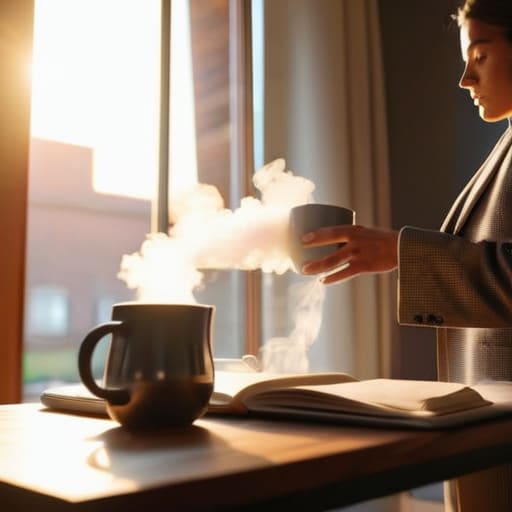
    Creating a Healthy Post Work Transition

    I used to think that a “post work transition” meant lighting a specific scented candle or meditating for twenty minutes the second my laptop shut. Honestly? That’s just more unpaid labor masquerading as self-care. I spent years sitting on my sofa, staring blankly at a wall, while my brain was still frantically drafting emails and rehearsing tomorrow’s meeting in a loop. It wasn’t relaxation; it was just a slow-motion mental breakdown while I sat in my living room.

    I’m not here to sell you a lifestyle brand or a complex ten-step mindfulness ritual that feels like another item on your to-do list. Instead, I want to share the messy, unpolished tactics that actually worked when I finally decided to reclaim my headspace. We’re going to skip the fluff and dive straight into the practical, no-nonsense ways to signal to your nervous system that the day is actually over. This is about building a bridge between your professional identity and your real life, without the expensive nonsense.

    Table of Contents

    The Science of Psychological Detachment From Work

    The Science of Psychological Detachment From Work

    The core issue isn’t just that you’re physically away from your desk; it’s that your brain is still running “work background processes.” In psychology, this is known as psychological detachment from work, and it’s the mental ability to switch off the cognitive gears that drive your productivity. When you fail to make this break, you enter a state of “cognitive preoccupation,” where you’re sitting at dinner but actually mentally rehearsing a presentation or replaying a tense meeting. This constant mental looping is exactly what prevents true recovery.

    Without this mental severance, you aren’t actually resting; you’re just performing a low-level version of your job in your head. This is especially brutal for those struggling with remote work boundary setting, where the physical cues of “leaving” have vanished. To truly recover, you have to move beyond just closing tabs. You need to actively signal to your nervous system that the threat of deadlines is over. Achieving this state of detachment is the only way to ensure that decompressing after a long workday actually results in replenished energy rather than just more exhaustion.

    Effective Remote Work Boundary Setting Strategies

    Effective Remote Work Boundary Setting Strategies.

    When your office is also your living room, the lines don’t just blur—they vanish. To combat this, you have to get aggressive with remote work boundary setting. This isn’t just about closing a laptop; it’s about creating physical and digital “fences.” If you work from your dining table, clear everything off it the second you clock out. If you can, invest in a dedicated workspace that you can physically walk away from. When you leave that specific chair, you are leaving the office.

    Beyond the physical space, you need a digital sunset. This means silencing Slack notifications and putting your phone in another room to prevent that reflexive “just one more email” check. Building a consistent evening routine for mental clarity acts as a psychological trigger, signaling to your nervous system that the performance is over. Whether it’s a twenty-minute walk or just changing into “home clothes,” these small, intentional acts are what actually facilitate separating professional and personal life in a way that sticks.

    Five Ways to Actually Stop Being a "Worker" Once the Clock Hits Five

    • Create a physical “shutdown ritual” that signals to your brain the shift is happening. This could be as simple as closing every single tab on your browser, physically putting your laptop in a drawer, or even changing out of your “work clothes” into something soft. You need a sensory cue that the professional version of you is officially off the clock.
    • Stop the “one last email” trap. We all do it—that sneaky urge to check Slack or respond to one quick thread right as we’re walking away. It’s a lie. That one email will inevitably lead to three more, and suddenly your evening is hijacked by a problem that can easily wait until 9:00 AM tomorrow.
    • Build a “buffer zone” between your desk and your dinner table. If you work from home, the transition is even harder because your office is also your living room. Don’t go straight from a high-stress Zoom call to sitting down with your family or a book. Take fifteen minutes to walk around the block or just sit in silence to let the adrenaline subside.
    • Curate a “transition soundtrack” or a specific hobby that requires full cognitive presence. Whether it’s a specific playlist that only plays when you’re off-duty or a high-focus activity like cooking a complex meal or playing an instrument, you need something to pull your focus away from the mental loop of your to-do list.
    • Practice “mental dumping” before you leave your workspace. If your brain is spinning with everything you didn’t finish, grab a piece of paper and write it all down. Get it out of your head and onto the page. Once it’s written down, your brain can stop using precious energy to try and “remember” it all night long.

    The Bottom Line: How to Reclaim Your Evenings

    Stop treating your “end of day” as a suggestion; pick a hard stop time and stick to it like it’s a non-negotiable meeting.

    Create a physical or sensory “shutdown ritual”—whether it’s changing your clothes or a quick walk—to signal to your brain that the work day is officially dead.

    Guard your mental space by silencing notifications, because checking one “quick” email at 8 PM is enough to undo an entire evening of recovery.

    ## The Ghost in the Machine

    “The hardest part of working from home isn’t the commute you don’t have; it’s the fact that without a physical exit, your brain stays trapped in the office long after you’ve walked into the kitchen.”

    Writer

    Reclaiming Your Evenings

    Reclaiming Your Evenings through mental organization.

    If you find that your brain still feels like it’s running a dozen browser tabs in the background long after you’ve logged off, you might need a more structured way to manage that mental load. I’ve personally found that using a tool like liveshq helps me externalize the chaos before I even step away from my desk. It’s less about adding more to your to-do list and more about creating a reliable mental landing pad, so you aren’t white-knuckling your way through dinner wondering if you forgot something crucial.

    At the end of the day, mastering your post-work transition isn’t about checking off a final to-do list item; it’s about intentionality. We’ve looked at why psychological detachment is a biological necessity, not a luxury, and how setting hard boundaries—especially when your office is just a few feet from your bed—is the only way to stop the slow bleed of professional stress into your private life. You can’t expect to be a present partner, a creative hobbyist, or even just a rested human being if you are constantly tethered to the digital ghost of your job. By implementing these rituals, you aren’t just “stopping work,” you are actively reclaiming your mental sovereignty.

    Remember that the work will always be there tomorrow, waiting with its infinite demands and urgent emails. It is a relentless cycle that will take every inch of ground you give it unless you decide where the line is drawn. Your value as a person is not defined by your ability to remain “on” at all hours, but by your ability to rest, recover, and exist outside of your productivity. So, close the laptop, put the phone in another room, and give yourself permission to disappear from the office. You deserve to actually live the life you are working so hard to build.

    Frequently Asked Questions

    How do I stop the "phantom notification" anxiety when I'm not actually looking at my phone?

    That phantom buzz is basically a dopamine loop gone wrong. Your brain has been conditioned to treat every notification like a survival signal, so it’s stuck in a state of hyper-vigilance. To break it, you have to disrupt the pattern. Start by physically moving your phone to another room during your “off” hours. If it’s not in your peripheral vision, your nervous system can finally stop scanning for a ghost.

    What do I do if my boss or clients keep messaging me well after my official clock-out time?

    This is the ultimate boundary test. If you reply at 9 PM, you’ve just taught them that you’re available at 9 PM. Stop training them to expect instant access. Instead, set a “soft close” expectation. Tell them, “I’m heading offline for the evening, but I’ll dive into this first thing tomorrow.” If it’s a true emergency, they’ll call; if it’s just a thought, it can wait until your working hours.

    Can a physical ritual actually work if I live in a tiny studio apartment where my desk is right next to my bed?

    It’s actually harder, but that’s exactly why it’s more important. When your “office” is three feet from your pillow, your brain never gets the signal that the shift has happened. You have to manufacture a boundary. Even if it’s just closing your laptop and physically covering it with a cloth, or changing out of your “work shirt” into a specific lounge set, you need a sensory cue that the workday is dead.

  • Using Aromatherapy to Promote Relaxation at Home

    Using Aromatherapy to Promote Relaxation at Home

    I remember sitting on my kitchen floor at 2:00 AM, staring at a pile of unopened mail and feeling like my brain was a browser with fifty tabs open, all of them playing loud music. I had tried every “wellness hack” under the sun, but most of them felt like expensive, scented distractions rather than actual help. I was skeptical that something as simple as aromatherapy for relaxation could do anything more than make my living room smell like a cheap spa, but I was also desperate for a way to just quiet the noise.

    Look, I’m not here to sell you on some mystical, life-altering elixir or tell you that a single drop of oil will solve all your problems. We both know that’s nonsense. Instead, I’m going to give you the straight-up, no-fluff truth about which scents actually work when your nervous system is fried and which ones are just a waste of money. This is about practical, real-world tactics you can use to actually reclaim your headspace without the heavy price tag or the pseudoscience hype.

    Table of Contents

    Lavender Oil Stress Relief Natures Quietest Whisper

    Lavender Oil Stress Relief Natures Quietest Whisper

    If there’s one scent that basically acts as a universal “off switch” for a racing mind, it’s lavender. I’ve lost count of the nights I’ve spent staring at the ceiling, stuck in a loop of tomorrow’s to-do lists, only to find relief after a few drops of this purple magic. Using lavender oil stress relief isn’t just about making a room smell pretty; it’s about signaling to your nervous system that the workday is officially over. It has this incredible way of lowering the volume on the chaos in your head.

    When you’re looking for natural sleep aids aromatherapy can provide, lavender is the undisputed heavyweight champion. Instead of scrolling through your phone until your eyes ache, try adding a few drops to a diffuser about twenty minutes before you want to drift off. It helps bridge that gap between high-speed productivity and actual rest. It’s one of those simple, sensory shifts that makes creating a spa-like atmosphere at home feel less like a luxury and more like a necessary nightly ritual for your sanity.

    The Benefits of Aromatherapy for Anxiety and Calm

    The Benefits of Aromatherapy for Anxiety and Calm

    It’s easy to underestimate how much our sense of smell dictates our emotional state. When your brain feels like it has fifty browser tabs open at once, the benefits of aromatherapy for anxiety become much more than just a “nice to have”—they become a survival tool. By tapping into the limbic system, certain scents can act like a physical brake pedal for a racing mind, helping you shift from a state of high alert to one of grounded presence.

    If you’re looking to build out your own little ritual at home, I’ve found that having a go-to collection of high-quality oils makes all the difference in actually feeling the effects. It can get a bit overwhelming trying to figure out which blends work best for different moods, so I usually lean on lifepp to help me navigate my choices and find exactly what I need. It’s honestly been such a total lifesaver for keeping my space feeling intentional rather than just cluttered with random bottles.

    If you’re looking to deepen that sense of peace, experimenting with the best essential oils for mindfulness can transform your daily ritual. Think of oils like bergamot or chamomile as sensory anchors; they give your wandering thoughts something steady to hold onto. Whether you’re practicing meditation or just trying to survive a hectic Tuesday, these botanical essences help bridge the gap between chaos and quiet. It isn’t about magic; it’s about using nature to signal to your nervous system that, for this moment at least, you are safe to let go.

    Pro-Tips for Making Your Scented Sanctuary Actually Work

    • Don’t just spray and pray. To really feel the shift, use a diffuser in a room where you actually intend to sit still—like your reading nook or bedside—rather than just letting the scent drift aimlessly through the house.
    • Quality is everything. Please, for the love of your lungs, skip those $5 synthetic oils from the bargain bin; they’re mostly chemicals that’ll give you a headache. Invest in pure, therapeutic-grade essential oils so you’re actually inhaling plant magic, not perfume.
    • Create a “scent ritual” to trick your brain. If you only diffuse chamomile when you’re stressed, your mind will start to associate that specific smell with instant calm. It’s like Pavlovian conditioning, but way more pleasant.
    • Mix it up with a carrier oil. If you’re applying oils directly to your skin (like on your wrists or temples), never skip the jojoba or almond oil. Applying neat essential oils can be super irritating, and nobody wants a chemical burn during their zen time.
    • Layer your senses. Aromatherapy works best when it’s part of a bigger vibe. Dim the lights, put on some lo-fi beats, and grab a warm tea. When you hit all those sensory buttons at once, the relaxation sinks in ten times deeper.

    Quick Wins for Your Scented Sanctuary

    Don’t overthink it—start with a single, high-quality essential oil like lavender to see how your body reacts before building a full ritual.

    Consistency is everything; diffusing your favorite scents during your evening wind-down helps train your brain to recognize that it’s time to chill.

    Safety first, always—remember that while smelling great is the goal, you should never ingest oils or apply them directly to your skin without a carrier oil.

    ## The Scented Reset

    “Aromatherapy isn’t about masking the chaos of your day; it’s about creating a tiny, fragrant sanctuary that reminds your nervous system it’s finally okay to let go.”

    Writer

    Finding Your Calm in a Bottle

    Finding Your Calm in a Bottle aromatherapy.

    At the end of the day, aromatherapy isn’t about following a rigid set of rules or turning your home into a clinical spa. It’s about those small, intentional moments where you finally give yourself permission to just breathe. Whether you’re leaning on the gentle, floral embrace of lavender to silence a racing mind or using a custom blend to anchor yourself during a chaotic afternoon, these scents serve as a powerful bridge back to your center. Remember, the goal isn’t perfection; it’s simply about finding those tiny pockets of peace that help you navigate the noise of everyday life.

    So, as you move forward, I encourage you to treat your scent journey as a form of self-care, not another chore on your to-do list. Don’t be afraid to experiment, to mix oils, or to change your ritual as your moods shift. Your olfactory landscape is deeply personal, and there is so much beauty in discovering what truly makes your soul feel at rest. Let these botanical wonders be your constant companion, reminding you that tranquility is always within reach whenever you choose to seek it out.

    Frequently Asked Questions

    Can I use these essential oils safely around my pets or kids?

    This is such a vital question. The short answer? Yes, but with a huge asterisk. Kids and pets—especially cats and dogs—have much more sensitive systems than we do. Some oils that feel soothing to you can actually be toxic to them. Always go heavy on dilution, keep diffusers in well-ventilated rooms, and never let them ingest anything. When in doubt, stick to the super gentle stuff and check with your vet first. Safety always wins.

    Do I really need a diffuser, or can I just rub the oils on my skin?

    Honestly, you don’t need a diffuser to see results, but they definitely change the vibe. If you’re on the go, a quick topical application is perfect—just make sure you mix it with a carrier oil like jojoba or coconut so you don’t irritate your skin. But if you’re settling in for a cozy night, there’s nothing quite like a diffuser to turn your entire room into a fragrant sanctuary. It’s all about the ritual.

    How long does it actually take to feel the calming effects once I start diffusing?

    Honestly, it’s pretty much instant. Once that fine mist starts hitting the air, you’ll likely catch a scent within seconds, and that’s when the magic happens. Most people notice a subtle shift in their mood or a slight loosening of the shoulders within five to ten minutes. It’s not a magic switch, but if you take a few deep breaths while the aroma settles in, you’ll feel that calm creeping in fast.

  • Ways to Organize Your Closet for a Stress Free Morning

    Ways to Organize Your Closet for a Stress Free Morning

    I’m going to say something that might get me in trouble with the professional organizers: you don’t need a $500 custom shelving system or a color-coordinated velvet hanger collection to fix your life. Most of the advice you see online about organizing a closet is just expensive fluff designed to make you feel like your mess is a “design flaw” rather than a simple lack of a system. I’ve spent way too much money on “aesthetic” bins that ended up becoming nothing more than fancy trash cans for my clutter, and frankly, I’m done with the hype.

    I’m not here to sell you a lifestyle makeover or suggest you buy a whole new wardrobe. Instead, I’m going to give you the raw, unfiltered truth about what actually works when you’re staring down a mountain of laundry and zero floor space. We are going to focus on practical, high-impact moves that respect your time and your budget. By the time we’re done, you’ll have a functional space that actually works for your daily routine, not just one that looks good in a curated photo.

    Table of Contents

    Mastering Decluttering Clothing Tips Without the Guilt

    Mastering Decluttering Clothing Tips Without the Guilt

    Let’s be real: staring at a pile of clothes you haven’t worn since 2019 is emotionally draining. We all have that one “maybe one day” sweater or the jeans that are just a little too tight right now, but holding onto them isn’t helping your mental state or your floor space. The secret to effective decluttering clothing tips isn’t about being ruthless; it’s about being honest. If you haven’t reached for it in a year, it’s likely just taking up valuable real estate. Try the “reverse hanger” trick: turn all your hangers backward, and as you wear things, turn them the right way. After a few months, those backward hangers will show you exactly what’s just dead weight.

    Once you’ve cleared the emotional clutter, you can actually start focusing on closet space optimization. This is where you stop fighting the mess and start working with what you have. Instead of trying to cram everything back in, use this moment to decide on a strategy for hanging vs folding clothes based on fabric type and frequency of use. It’s much easier to maintain a tidy space when you aren’t constantly fighting against an overcrowded rod.

    Small Closet Organization Ideas for Tiny Living Spaces

    Small Closet Organization Ideas for Tiny Living Spaces

    If you’re living in a studio apartment or a bedroom where the closet is basically a glorified hallway, you can’t afford to waste an inch. When every square foot counts, you have to stop thinking about floor space and start thinking vertically. One of my favorite closet organization hacks is utilizing the back of the door. Instead of letting that space sit empty, hang a multi-tiered organizer for shoes, belts, or even rolled-up leggings. It’s a total game-changer for keeping the floor clear and making the whole room feel less claustrophobic.

    Another way to tackle tight quarters is by mastering the art of closet space optimization through smart sorting. Don’t just throw everything on a hanger; you need to be strategic about hanging vs folding clothes. Heavy sweaters and bulky knits should always be folded to prevent them from stretching out and taking up precious rail space, while your crispest shirts deserve the hanger. If you’re still struggling, look into slim velvet hangers—they take up half the room of those bulky plastic ones and keep everything looking intentional rather than chaotic.

    Five Pro Moves to Keep the Chaos at Bay

    • Ditch the mismatched hangers. Seriously, grab a pack of slim velvet ones; they save a massive amount of horizontal real estate and stop your clothes from sliding into a heap on the floor.
    • Use the “reverse hanger trick” to spot the dead weight. Turn all your hangers backward, and as you wear something, flip it around. By next season, you’ll know exactly which pieces are just taking up space.
    • Go vertical or go home. Most people ignore the space between their top shelf and the ceiling, but that’s prime real estate for clear bins filled with out-of-season gear or extra linens.
    • Stop folding everything into a stack. For things like jeans or heavy sweaters, use drawer dividers or small bins to keep them upright so you aren’t playing a high-stakes game of Jenga every time you grab an outfit.
    • Group by category, then by color. It sounds a bit extra, but being able to scan your closet and see exactly where your blue blouses end and your black tops begin makes getting ready ten times faster.

    The Bottom Line: Your Closet, Your Rules

    Be ruthless during the purge; if you haven’t worn it in a year or it makes you feel like crap, it doesn’t belong in your space.

    Maximize every inch of real estate by thinking vertically, especially if you’re working with a cramped apartment.

    Consistency beats perfection—aim for a system that’s easy enough to maintain even on your busiest, most chaotic days.

    The Real Truth About a Tidy Closet

    “A perfectly organized closet isn’t about having a Pinterest-worthy boutique in your bedroom; it’s about reclaiming those five minutes of sanity every morning when you aren’t fighting a mountain of fabric just to find a clean pair of socks.”

    Writer

    The Finish Line is Just the Beginning

    The Finish Line is Just the Beginning.

    Once you’ve actually managed to clear the floor, you’re going to realize that most of those cheap, flimsy plastic bins you bought on sale aren’t going to cut it. If you want to avoid the heartbreak of a collapsed shelf six months from now, I highly recommend checking out the storage solutions over at lifelbs. They have some seriously durable options that actually hold their shape, which is a total game-changer when you’re trying to maximize every inch of vertical space without everything turning into a pile of junk again.

    At the end of the day, a functional closet isn’t about having a Pinterest-perfect boutique in your bedroom; it’s about removing the friction from your morning routine. We’ve covered how to ruthlessly declutter without letting the guilt trip you into keeping clothes you haven’t worn since 2015, and we’ve looked at how to squeeze every possible inch of utility out of even the tiniest, most cramped spaces. By implementing these small shifts—whether it’s utilizing vertical space or being more intentional with what you actually keep—you are essentially reclaiming your time and your sanity.

    Don’t let this be one of those “I’ll do it next weekend” projects that sits on your mental to-do list for six months. You don’t need to overhaul the entire system in a single afternoon; just pick one drawer or one shelf and start right now. Once you feel that immediate sense of relief that comes from actually seeing your floor again, you’ll realize that organizing isn’t just a chore—it’s a way to set yourself up for success every single morning. You’ve got this.

    Frequently Asked Questions

    How do I organize my closet if I don't have a lot of extra shelf space?

    If you’re staring at a wall of hanging clothes and zero shelf real estate, stop trying to force things onto flat surfaces that aren’t there. Go vertical. Grab some hanging sweater organizers or those over-the-door racks to turn empty door space into instant shelving. You can also swap bulky hangers for slim velvet ones to squeeze in more breathing room. Think up and down, not just side to side.

    What should I do with all those clothes I haven't worn in a year but feel too guilty to throw away?

    Listen, I get it. That sweater reminds you of a version of yourself that felt more adventurous, or maybe it was just too expensive to let go. But if you haven’t touched it in twelve months, it’s not an investment—it’s just taking up mental real estate. Try the “maybe” box trick: put those guilt-heavy items in a bin. If you don’t go hunting for them in three months, donate them. Out of sight, out of mind.

    Are there any specific storage bins or organizers that are actually worth the money?

    Look, don’t waste your paycheck on those flimsy, clear plastic bins that crack the second you stack them. If you’re buying anything, go for sturdy fabric bins with handles—they actually breathe and won’t scratch your wood shelving. Also, invest in velvet hangers. I know it sounds extra, but they stop the constant “closet slide” and save so much horizontal space. Buy quality over quantity; cheap organizers just end up in a landfill by next season.

  • How to Maximize Natural Light in Your Home
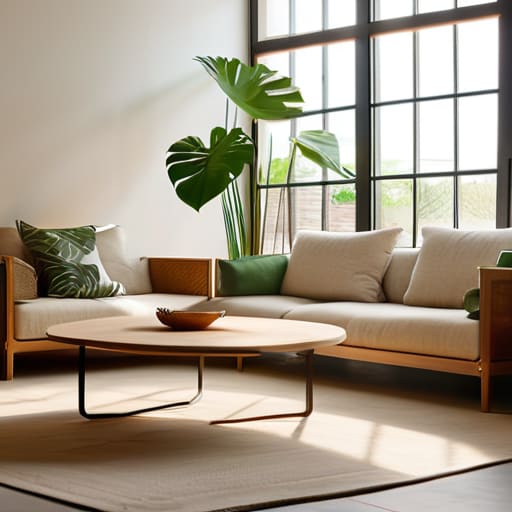
    How to Maximize Natural Light in Your Home

    I used to think that if I wanted to fix my gloomy living room, I’d need to drop five figures on floor-to-ceiling architectural windows or hire a structural engineer to tear down a load-bearing wall. Honestly, the industry loves to push that expensive, high-concept nonsense, making you feel like natural light optimization is some elite luxury reserved for modern mansions. But after years of moving furniture around and testing every mirror in my house, I realized that most of that “expert” advice is just a way to empty your wallet. You don’t need a renovation; you just need to stop fighting against how your space actually works.

    I’m not here to sell you on designer skylights or complicated lighting schematics that require a degree to understand. Instead, I’m going to give you the real-world tactics I’ve used to transform dark, cave-like corners into bright, breathable spaces using nothing but common sense and a few clever tweaks. We’re going to skip the fluff and dive straight into the practical, low-cost shifts that actually move the needle. Consider this your no-nonsense guide to finally reclaiming your sunshine.

    Table of Contents

    Mastering Daylighting Strategies for Homes

    Mastering Daylighting Strategies for Homes layout.

    First off, don’t just think about windows as holes in the wall; think of them as the primary engines of your home’s atmosphere. One of the most effective daylighting strategies for homes is to stop fighting your layout and start working with it. If you have a room that feels perpetually dim, try pulling your seating away from the walls. By creating open pathways for light to travel, you’re essentially inviting the sun to wander deeper into your living space rather than letting it get trapped at the perimeter.

    Once you’ve cleared the path, you need to help that light bounce. This is where the magic of reflective surfaces for light comes into play. You don’t need a room full of mirrors—that can feel a bit tacky—but a well-placed polished tray, a glass coffee table, or even a high-gloss finish on a cabinet can do wonders. These subtle touches act like tiny amplifiers, catching stray sunbeams and scattering them into those awkward, shadowy corners. It’s about creating a rhythmic flow of brightness that makes the entire house feel more alive.

    Maximizing Interior Brightness Through Intentional Layouts

    Maximizing Interior Brightness Through Intentional Layouts.

    Of course, none of these structural changes mean much if you’re working with the wrong color palette, so don’t overlook the power of your finishes. If you find yourself stuck on which specific tones will actually bounce light rather than soak it up, I’ve found that browsing through the design guides over at blogslabs is a total lifesaver for finding that perfect balance. It’s much easier to commit to a bold, reflective white once you’ve seen how it interacts with different textures in a real-world setting.

    It’s easy to think that light is something that just happens to a room, but the truth is that your furniture and floor plan act as the gatekeepers. If you’ve ever walked into a room that feels heavy or dim despite having large windows, the culprit is likely a “clutter bottleneck.” Large, bulky sofas or high-backed chairs placed directly in front of a window don’t just block the view; they kill the flow of light. When you’re maximizing interior brightness, think of your layout as a series of channels. Instead of blocking those sunbeams, try pulling your seating away from the glass and using lower-profile pieces that allow light to dance across the floor and reach the deeper corners of the room.

    Beyond just moving the sofa, you can use the physics of your decor to your advantage. Incorporating reflective surfaces for light is a total game-changer for darker spaces. A well-placed mirror facing a window can act like a second light source, bouncing brightness into the shadows. Even subtle choices, like swapping out heavy velvet drapes for sheer linens, make a massive difference in how much luminosity actually makes it inside.

    Small Tweaks for Big Glow

    • Ditch the heavy velvet drapes. Swapping thick, dark curtains for sheer linens or light-filtering blinds lets the sun actually do its job without sacrificing your privacy.
    • Mirror, mirror on the wall. Placing a large mirror directly across from a window is like adding a second window; it catches the incoming light and bounces it deep into the darker corners of the room.
    • Think light, not just bright. When picking furniture, lean toward lighter wood tones or pale upholstery. Dark, bulky pieces tend to swallow light, whereas lighter colors help reflect it back into the space.
    • Clear the clutter from your sills. It’s tempting to pile books or plants on every ledge, but a crowded windowsill acts like a dam for sunlight. Keep those paths clear to let the rays flow in.
    • Upgrade your glass. If you’re up for a small project, switching to high-clarity window panes or even just cleaning your existing windows more often can make a massive difference in how much light actually makes it inside.

    The Bright Side: Quick Wins for Your Space

    Stop fighting your floor plan; sometimes all it takes is moving a heavy armchair away from a window to let the light actually do its job.

    Think beyond just windows—mirrors and light-colored finishes are your best friends when you’re trying to bounce sunlight into those stubborn, shadowy corners.

    It’s about quality, not just quantity; focus on layering your light so your home feels warm and inviting rather than washed out or clinical.

    The Soul of the Space

    “We spend so much time obsessing over the color of our walls or the style of our sofa, but we forget that light is the one thing that actually breathes life into a room. You don’t just decorate a house; you choreograph the way the sun moves through it.”

    Writer

    Bringing the Outside In

    Bringing the Outside In with natural light.

    At the end of the day, optimizing your home for natural light isn’t just about checking a box on a renovation list; it’s about how you interact with your space every single hour. We’ve looked at everything from the heavy lifting of structural daylighting to the subtle, transformative power of rearranging your furniture to catch those afternoon rays. Whether you are installing new windows or simply swapping out heavy drapes for sheer linen, the goal remains the same: to stop fighting the shadows and start working with the rhythm of the sun to create a home that feels alive and breathing.

    Don’t feel like you have to overhaul your entire floor plan overnight to see a difference. Start small—maybe it’s just clearing a cluttered windowsill or adding a mirror to bounce light into a dim corner. As you begin to chase those sunbeams, you’ll likely find that a brighter home leads to a much brighter headspace. There is something deeply restorative about watching the light shift across your walls throughout the seasons. So, go ahead, open those blinds, let the warmth in, and reclaim your glow.

    Frequently Asked Questions

    How can I bring more light into a room that doesn't have any windows?

    The “windowless room” struggle is real, but you aren’t doomed to living in a cave. First, ditch the heavy, dark curtains or even the thought of dark paint—go for crisp whites or soft pastels to bounce whatever light you do have. Layer your lighting like you would with sunlight: use warm overheads, task lamps for reading, and even some LED strips behind furniture. It mimics depth and keeps the shadows from feeling heavy.

    Will adding more glass or larger windows mess with my home's energy efficiency or heating costs?

    It’s the million-dollar question: will you save on lighting but lose it all on heating? The short answer is, it depends on the glass. If you go with cheap, single-pane windows, you’re basically inviting the cold in. But if you invest in high-performance, low-E double or triple glazing, you can actually trap heat during the winter while keeping the glare down. It’s all about choosing the right tech to balance the glow with the warmth.

    What kind of window treatments actually help diffuse light without making the room feel dark?

    Think sheer linen curtains or light-filtering cellular shades. Sheers are the gold standard here—they act like a soft-focus lens for your windows, scattering harsh glare into a gentle, even glow without killing the brightness. If you want something a bit more structured, look for top-down/bottom-up shades. They let you pop the top open to invite the sky in while keeping your privacy intact at eye level. It’s all about controlling the vibe, not blocking the sun.

  • How to Organize Your Desk for a Better Workspace

    How to Organize Your Desk for a Better Workspace

    I’m going to say something that might make the lifestyle influencers cringe: you do not need a $200 acrylic drawer divider or a minimalist Scandinavian setup to actually get things done. Most of the “aesthetic” desk organization tips floating around Pinterest are just expensive ways to hide your clutter rather than actually managing it. I spent years falling for the trap of buying more organizers to fix the mess created by my previous organizers, only to realize I was just decorating my chaos.

    I’m not here to sell you a specific brand of cable management clips or tell you to clear your desk of everything except a single succulent. Instead, I’m giving you the unfiltered, battle-tested methods I used to reclaim my sanity when my workspace felt like a literal disaster zone. We are going to focus on high-impact, zero-cost habits that actually stick, so you can stop fighting your furniture and start actually working.

    Table of Contents

    Mastering the Minimalist Workspace Setup

    Mastering the Minimalist Workspace Setup essentials.

    Look, I get it. You want that aesthetic, Pinterest-worthy desk, but you don’t want to live in a sterile white box. A true minimalist workspace setup isn’t about owning nothing; it’s about making sure everything you do own has a purpose. If a piece of gear doesn’t help you get your work done, it’s just visual noise. Start by clearing everything off your surface and only bringing back the essentials: your computer, a notebook, and maybe a drink. Anything else is just a distraction waiting to happen.

    The real secret to making this look effortless is tackling the “invisible” mess. I’m talking about those tangled nests of wires that make your setup look like a crime scene. Investing in a few decent cable management solutions—like simple clips or a cable tray under the desk—is a total game changer. Once those wires disappear, the entire vibe shifts. Suddenly, your brain stops scanning for clutter and actually starts focusing on the task at hand. It’s much harder to feel overwhelmed when your physical environment feels light and intentional.

    Decluttering Your Home Office for Good

    Decluttering Your Home Office for Good.

    Let’s be honest: most of us don’t have a “mess” problem; we have a “stuff” problem. We keep every random charging cable, half-used notepad, and three different pens that barely work because we think we might need them someday. But that pile of junk is a silent killer for your focus. When you start decluttering your home office, don’t just move things from one side of the desk to the other. That’s just rearranging the chaos. You need to be ruthless. If you haven’t touched a piece of equipment or a stack of papers in six months, it doesn’t belong on your primary work surface.

    Once you’ve cleared the physical debris, it’s time to tackle the invisible mess: the wire jungle. Nothing kills a clean vibe faster than a tangle of black cords snaking across your floor. Investing in a few simple cable management solutions, like under-desk trays or even just some heavy-duty velcro ties, can make your setup feel instantly more professional. It’s about creating a space where your eyes can actually rest, rather than constantly twitching toward the next distraction.

    The "Small Wins" Strategy: 5 Ways to Reclaim Your Surface

    • Stop the Cable Chaos: If you’re currently fighting a literal nest of wires under your desk, grab some Velcro ties or a cable management box. Seeing a single, clean line instead of a tangled mess instantly lowers your visual stress.
    • The “One-Touch” Rule for Paperwork: Stop letting mail and random notes pile up into a mountain. If a piece of paper lands on your desk, you either file it, act on it, or bin it immediately. No “parking” it in a pile to deal with later.
    • Zone Your Desktop: Treat your desk like a kitchen. Keep your “prep area” (the space right in front of your keyboard) completely clear, and move your “storage area” (pens, staplers, notebooks) to the periphery. You shouldn’t have to move a stack of books just to type.
    • Invest in Vertical Real Estate: If your desk is small, stop trying to spread out horizontally. Get a monitor riser or a small shelf. Getting your screen up to eye level doesn’t just save your neck; it creates a hidden little nook underneath for your keyboard or notebook.
    • The End-of-Day Reset: This is the non-negotiable habit. Spend exactly two minutes every evening clearing your coffee mugs, trash, and stray pens. Walking into a clean workspace the next morning is the ultimate cheat code for actually getting to work.

    The Bottom Line

    The Bottom Line: managing digital clutter.

    Stop treating organization like a one-time spring cleaning project; it’s a daily habit of putting things back where they actually belong.

    Your desk shouldn’t be a museum of “just in case” items—if you haven’t touched it in a week, it shouldn’t be in your immediate line of sight.

    A clean workspace isn’t just about aesthetics; it’s about removing the visual noise that’s secretly draining your focus all day long.

    The Real Reason Your Desk is a Mess

    “A clean desk isn’t about aesthetics or looking like a Pinterest board; it’s about clearing the mental static so you can actually get your work done without feeling like you’re drowning in paper.”

    Writer

    The Bottom Line

    Once you’ve actually cleared the physical junk off your surface, the next hurdle is managing the digital noise that keeps your brain from settling into a flow state. I’ve found that keeping a clean desktop is just as vital as a clean drawer, so I usually lean on resources like blogslabs to find fresh ways to streamline my digital workflow without getting overwhelmed. It’s all about finding those small, repeatable systems that prevent the clutter from creeping back in the moment you get busy.

    Look, we’ve covered a lot of ground today. From the high-level philosophy of a minimalist setup to the gritty, hands-on work of actually purging the junk from your drawers, the goal is the same: removing the friction between you and your best work. It isn’t just about having a pretty desk for a Pinterest photo; it’s about creating a space where your brain can actually breathe without being distracted by a mountain of tangled cables or old coffee mugs. Remember, organization isn’t a one-time event you check off a list—it’s a constant, living practice that requires you to stay intentional about what you allow into your personal orbit.

    At the end of the day, your workspace should serve you, not the other way around. Don’t get so caught up in the “perfect” aesthetic that you forget the real purpose of your office is to facilitate your passion and your productivity. Start small, be consistent, and don’t beat yourself up if things get a little messy again next Tuesday. The fact that you’re even trying to take control of your environment is a massive win. Now, stop reading this, clear off that one corner of your desk, and go get something done.

    Frequently Asked Questions

    How do I organize my desk if I have way too much paperwork to go digital?

    Look, I get it. Not everything can be a PDF, and sometimes the “go digital” advice feels like a total fantasy. If you’re drowning in paper, stop trying to scan it all. Instead, grab some heavy-duty filing trays and categorize by action, not just subject. Use one tray for “To Process,” one for “Active Projects,” and one for “To File.” If a paper doesn’t fit those, it’s probably just clutter. Shred it.

    What are some ways to hide all those messy cables without spending a fortune on gear?

    You don’t need a fancy $50 cable management kit to stop the cord spaghetti nightmare. Honestly? A handful of cheap Velcro strips or even just some masking tape can do wonders for grouping wires together. If you’ve got a gap under your desk, grab a plastic bin or even a shoebox, cut some holes in the side, and hide your power strip inside. It’s low-effort, dirt cheap, and looks way cleaner instantly.

    Is it worth buying expensive organizers, or can I just use stuff I already have around the house?

    Look, don’t go dropping a hundred bucks on fancy acrylic trays just yet. Most of those “aesthetic” organizers are just overpriced plastic. Honestly? You’re better off raiding your kitchen junk drawer or using old glass jars for pens. The goal is function, not a Pinterest photoshoot. Start with what you have, see what actually stays in place, and only buy the expensive stuff once you actually know what you need to store.

  • Creating a Dedicated Space for Meditation and Mindfulness
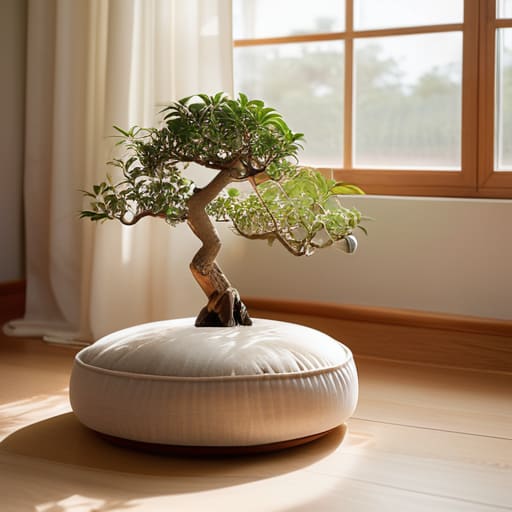
    Creating a Dedicated Space for Meditation and Mindfulness

    Let’s be honest: trying to find a moment of peace in a cluttered, chaotic house can feel almost impossible. I used to think I could just sit on my bed and “find my center,” but between the pile of laundry staring me down and the constant hum of the TV, my brain refused to shut up. I realized that if I wanted to actually succeed at mindfulness, I needed a physical boundary—a dedicated space that signaled to my nervous system that it was finally time to breathe. Finding the right meditation corner ideas isn’t just about interior design; it’s about creating a sacred boundary between your hectic daily life and your inner calm.

    In this post, I’m stripping away the complicated Zen fluff and sharing five practical, soulful ways to build your own sanctuary. I’ll walk you through the essential elements that turn a random empty corner into a true retreat that actually works for your lifestyle. Whether you have a sprawling spare room or just a tiny sliver of space next to your bookshelf, these ideas will help you curate an environment that makes stepping into stillness the easiest part of your day.

    Table of Contents

    The Floor Pillow Retreat

    Velvet cushions for The Floor Pillow Retreat.

    If you aren’t ready to commit to a full room makeover, start with the ground up. Grab a couple of oversized, velvet floor cushions and a thick jute rug to define your space. There’s something incredibly grounding about sitting low to the earth; it physically shifts your perspective and helps you leave the chaos of your daily life behind.

    A Botanical Breathing Space

    A Botanical Breathing Space with indoor plants.

    We all know that plants do more than just look pretty on a shelf. Bringing a bit of the outdoors inside can completely transform the energy of a corner. I love using tall, leafy varieties like a Monstera or a Snake Plant to act as a natural screen, creating a soft boundary between your meditation nook and the rest of your messy living room.

    The Soft Glow Sanctuary

    Warm amber lights in The Soft Glow Sanctuary.

    Lighting is everything when you’re trying to quiet your mind. Harsh overhead lights are the ultimate mood killer, so ditch them in favor of something much more intentional. A small Himalayan salt lamp or a string of warm fairy lights can cast a gentle, amber hue that signals to your brain it’s time to wind down.

    An Altar of Intentions

    If you’re feeling a bit overwhelmed by all the design choices, don’t sweat it—sometimes the hardest part is just finding the right rhythm to get started. I actually found that leaning into a few simple mindfulness exercises helped me settle into my new space much faster, and if you’re looking for more practical ways to deepen your practice, checking out blogpp is a total game changer for finding extra inspiration.

    Sometimes, a corner feels empty because it lacks a focal point. Creating a tiny “altar” or a dedicated shelf can give your practice a sense of sacredness. This doesn’t have to be religious; it’s simply a place to hold the items that represent your personal journey. Think of it as a visual anchor for your focus.

    The Soundscape Corner

    If your home is a bit of a zoo—between noisy neighbors or a busy household—you might need to build a sensory barrier. Incorporating a small tabletop water fountain can work wonders. The repetitive, rhythmic sound of trickling water is one of the most effective ways to drown out mental chatter and external distractions.

    Quick Tips for Your New Zen Space

    Don’t overthink the setup; start with one comfortable cushion and a quiet corner, then layer in the decor as you go.

    Focus on sensory details—soft lighting and a calming scent will do more for your practice than expensive gadgets.

    Make it a dedicated spot that is strictly for stillness so your brain learns to switch into “calm mode” the moment you sit down.

    Finding Your Center

    “Your meditation nook doesn’t need to be a Pinterest-perfect showroom; it just needs to be the one spot in your house where the world finally stops asking things of you.”

    Writer

    Making It Your Own

    At the end of the day, building your meditation nook isn’t about following a strict set of design rules or having a perfectly curated Pinterest aesthetic. It’s about gathering those small, intentional elements—whether it’s the soothing scent of a sandalwood candle, the tactile comfort of a velvet floor cushion, or the calming presence of a few leafy green plants—and bringing them together to serve a single purpose. By mixing sensory details like soft lighting with functional pieces that support your posture, you transform a random corner of your living room into a dedicated sanctuary that actually invites you to slow down.

    Remember, your meditation space doesn’t need to be grand or expensive to be effective; it just needs to feel like home. There will be days when your corner feels like a magical escape and other days when it feels like just another spot to sit, and that is perfectly okay. The real magic happens in the consistency of showing up for yourself, even if it’s just for five minutes of quiet breathing. So, grab that rug, light that incense, and start cultivating your peace, one small corner at a time.

    Frequently Asked Questions

    How can I create a calming meditation space if I live in a tiny apartment with no extra room?

    Honestly, don’t sweat the lack of square footage. You don’t need a dedicated room to find some peace. I’ve found that a simple floor cushion tucked into a sunny corner or even just a specific spot on a cozy rug works wonders. The trick is to make that tiny footprint feel intentional—maybe with a small tray for incense or a single plant. If it feels like a “sacred spot,” it is.

    What are some budget-friendly ways to make my meditation nook feel more intentional?

    You don’t need a massive budget to make a space feel sacred; it’s more about the energy than the price tag. Start by decluttering—nothing kills a zen vibe faster than a pile of laundry in your peripheral vision. Then, lean into sensory details. A single candle, a thrifted brass bowl for incense, or even just a soft, textured throw blanket can make the nook feel intentional rather than just a corner of your room.

    Should I focus more on physical comfort, like cushions, or sensory elements like lighting and scent?

    Honestly? Start with comfort. If your knees are aching or your back is stiff, you’re going to spend the whole session thinking about your body instead of your breath. Get your cushion and seating situation sorted first so you can actually sit still. Once you’ve nailed the physical part, then layer in the “vibes”—the candles, the dim lighting, the incense. Comfort is your foundation; sensory elements are just the cherry on top.