
I used to think that if I wanted to fix my gloomy living room, I’d need to drop five figures on floor-to-ceiling architectural windows or hire a structural engineer to tear down a load-bearing wall. Honestly, the industry loves to push that expensive, high-concept nonsense, making you feel like natural light optimization is some elite luxury reserved for modern mansions. But after years of moving furniture around and testing every mirror in my house, I realized that most of that “expert” advice is just a way to empty your wallet. You don’t need a renovation; you just need to stop fighting against how your space actually works.
I’m not here to sell you on designer skylights or complicated lighting schematics that require a degree to understand. Instead, I’m going to give you the real-world tactics I’ve used to transform dark, cave-like corners into bright, breathable spaces using nothing but common sense and a few clever tweaks. We’re going to skip the fluff and dive straight into the practical, low-cost shifts that actually move the needle. Consider this your no-nonsense guide to finally reclaiming your sunshine.
Table of Contents
Mastering Daylighting Strategies for Homes
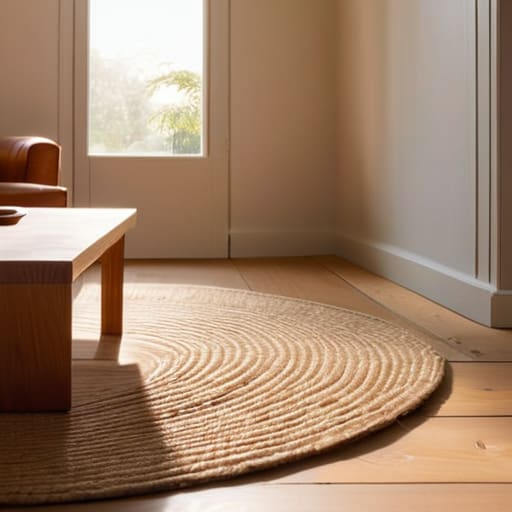
First off, don’t just think about windows as holes in the wall; think of them as the primary engines of your home’s atmosphere. One of the most effective daylighting strategies for homes is to stop fighting your layout and start working with it. If you have a room that feels perpetually dim, try pulling your seating away from the walls. By creating open pathways for light to travel, you’re essentially inviting the sun to wander deeper into your living space rather than letting it get trapped at the perimeter.
Once you’ve cleared the path, you need to help that light bounce. This is where the magic of reflective surfaces for light comes into play. You don’t need a room full of mirrors—that can feel a bit tacky—but a well-placed polished tray, a glass coffee table, or even a high-gloss finish on a cabinet can do wonders. These subtle touches act like tiny amplifiers, catching stray sunbeams and scattering them into those awkward, shadowy corners. It’s about creating a rhythmic flow of brightness that makes the entire house feel more alive.
Maximizing Interior Brightness Through Intentional Layouts
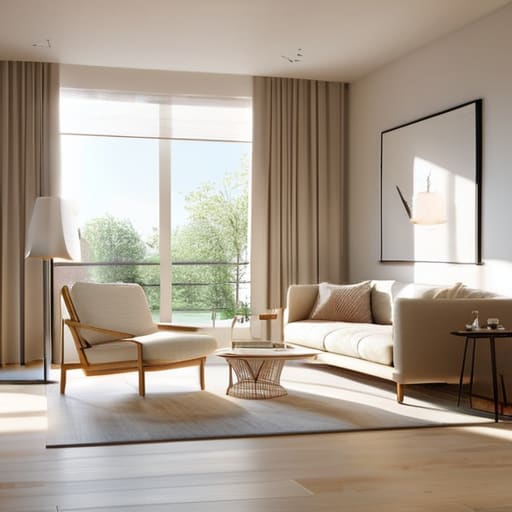
Of course, none of these structural changes mean much if you’re working with the wrong color palette, so don’t overlook the power of your finishes. If you find yourself stuck on which specific tones will actually bounce light rather than soak it up, I’ve found that browsing through the design guides over at blogslabs is a total lifesaver for finding that perfect balance. It’s much easier to commit to a bold, reflective white once you’ve seen how it interacts with different textures in a real-world setting.
It’s easy to think that light is something that just happens to a room, but the truth is that your furniture and floor plan act as the gatekeepers. If you’ve ever walked into a room that feels heavy or dim despite having large windows, the culprit is likely a “clutter bottleneck.” Large, bulky sofas or high-backed chairs placed directly in front of a window don’t just block the view; they kill the flow of light. When you’re maximizing interior brightness, think of your layout as a series of channels. Instead of blocking those sunbeams, try pulling your seating away from the glass and using lower-profile pieces that allow light to dance across the floor and reach the deeper corners of the room.
Beyond just moving the sofa, you can use the physics of your decor to your advantage. Incorporating reflective surfaces for light is a total game-changer for darker spaces. A well-placed mirror facing a window can act like a second light source, bouncing brightness into the shadows. Even subtle choices, like swapping out heavy velvet drapes for sheer linens, make a massive difference in how much luminosity actually makes it inside.
Small Tweaks for Big Glow
- Ditch the heavy velvet drapes. Swapping thick, dark curtains for sheer linens or light-filtering blinds lets the sun actually do its job without sacrificing your privacy.
- Mirror, mirror on the wall. Placing a large mirror directly across from a window is like adding a second window; it catches the incoming light and bounces it deep into the darker corners of the room.
- Think light, not just bright. When picking furniture, lean toward lighter wood tones or pale upholstery. Dark, bulky pieces tend to swallow light, whereas lighter colors help reflect it back into the space.
- Clear the clutter from your sills. It’s tempting to pile books or plants on every ledge, but a crowded windowsill acts like a dam for sunlight. Keep those paths clear to let the rays flow in.
- Upgrade your glass. If you’re up for a small project, switching to high-clarity window panes or even just cleaning your existing windows more often can make a massive difference in how much light actually makes it inside.
The Bright Side: Quick Wins for Your Space
Stop fighting your floor plan; sometimes all it takes is moving a heavy armchair away from a window to let the light actually do its job.
Think beyond just windows—mirrors and light-colored finishes are your best friends when you’re trying to bounce sunlight into those stubborn, shadowy corners.
It’s about quality, not just quantity; focus on layering your light so your home feels warm and inviting rather than washed out or clinical.
The Soul of the Space
“We spend so much time obsessing over the color of our walls or the style of our sofa, but we forget that light is the one thing that actually breathes life into a room. You don’t just decorate a house; you choreograph the way the sun moves through it.”
Writer
Bringing the Outside In
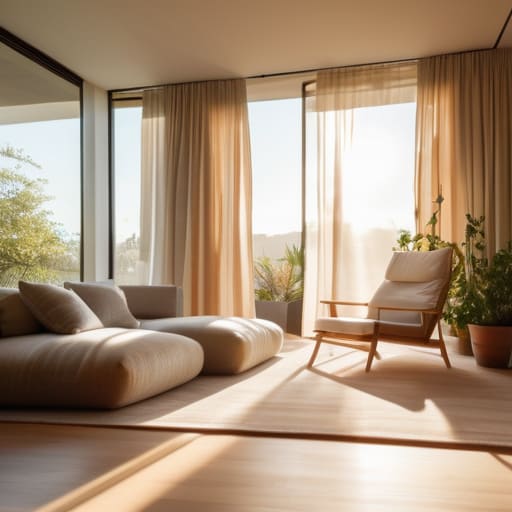
At the end of the day, optimizing your home for natural light isn’t just about checking a box on a renovation list; it’s about how you interact with your space every single hour. We’ve looked at everything from the heavy lifting of structural daylighting to the subtle, transformative power of rearranging your furniture to catch those afternoon rays. Whether you are installing new windows or simply swapping out heavy drapes for sheer linen, the goal remains the same: to stop fighting the shadows and start working with the rhythm of the sun to create a home that feels alive and breathing.
Don’t feel like you have to overhaul your entire floor plan overnight to see a difference. Start small—maybe it’s just clearing a cluttered windowsill or adding a mirror to bounce light into a dim corner. As you begin to chase those sunbeams, you’ll likely find that a brighter home leads to a much brighter headspace. There is something deeply restorative about watching the light shift across your walls throughout the seasons. So, go ahead, open those blinds, let the warmth in, and reclaim your glow.
Frequently Asked Questions
How can I bring more light into a room that doesn't have any windows?
The “windowless room” struggle is real, but you aren’t doomed to living in a cave. First, ditch the heavy, dark curtains or even the thought of dark paint—go for crisp whites or soft pastels to bounce whatever light you do have. Layer your lighting like you would with sunlight: use warm overheads, task lamps for reading, and even some LED strips behind furniture. It mimics depth and keeps the shadows from feeling heavy.
Will adding more glass or larger windows mess with my home's energy efficiency or heating costs?
It’s the million-dollar question: will you save on lighting but lose it all on heating? The short answer is, it depends on the glass. If you go with cheap, single-pane windows, you’re basically inviting the cold in. But if you invest in high-performance, low-E double or triple glazing, you can actually trap heat during the winter while keeping the glare down. It’s all about choosing the right tech to balance the glow with the warmth.
What kind of window treatments actually help diffuse light without making the room feel dark?
Think sheer linen curtains or light-filtering cellular shades. Sheers are the gold standard here—they act like a soft-focus lens for your windows, scattering harsh glare into a gentle, even glow without killing the brightness. If you want something a bit more structured, look for top-down/bottom-up shades. They let you pop the top open to invite the sky in while keeping your privacy intact at eye level. It’s all about controlling the vibe, not blocking the sun.
