
I’m going to say something that might make the interior design gurus cringe: you don’t need a massive budget or a showroom-ready living room to master hygge home decor. Honestly, I’m so tired of seeing these “perfect” Pinterest setups that look more like sterile museum exhibits than actual places where humans live, eat, and occasionally spill coffee. If your idea of coziness requires buying a $400 designer candle and a set of hand-woven linen pillows just to feel “at home,” then you’re doing it wrong. Real comfort isn’t about performing a lifestyle; it’s about creating a space that actually hugs you back when you walk through the door.
In this guide, I’m stripping away all the expensive fluff and the performative nonsense. I’m going to share the unfiltered, practical ways I’ve learned to transform a chaotic house into a genuine sanctuary using things you probably already own. We aren’t chasing perfection here; we are chasing soul. I promise to give you the straight talk on lighting, textures, and layout so you can finally stop scrolling through endless feeds and actually start living in a space that feels like you.
Table of Contents
Embracing Scandinavian Interior Design Principles
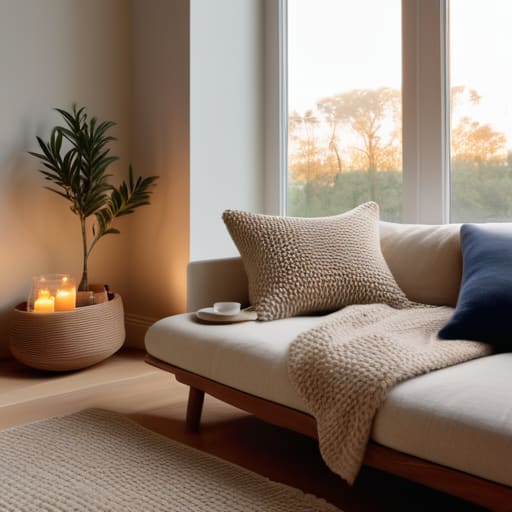
To truly understand how to bring this feeling into your space, you have to look at the foundation: scandinavian interior design principles. It’s not just about having a clean, white room; it’s about finding that sweet spot between functional simplicity and soul. In many Nordic homes, the goal isn’t to fill every corner with “stuff,” but to curate a space that feels intentional. This is where minimalist hygge aesthetics come into play—you’re stripping away the visual noise so you can actually breathe when you walk through the door.
Instead of clutter, focus on what I like to call “purposeful layers.” This means leaning heavily into textural elements in home decor to keep the minimalism from feeling cold or clinical. Think about the contrast between a smooth wooden coffee table and a heavy, oversized wool rug, or a sleek linen sofa paired with a chunky knit throw. It’s that interplay of surfaces that makes a room feel lived-in rather than just staged. When you prioritize quality over quantity, you aren’t just decorating; you’re building a backdrop for a much slower, more mindful way of living.
The Quiet Power of Minimalist Hygge Aesthetics
If you’re feeling a bit overwhelmed by all the design choices, don’t worry—it’s easy to get lost in the weeds of textures and tones. I’ve found that the best way to stay inspired without feeling cluttered is to keep a digital mood board of things that actually resonate with your personal sense of calm. I personally use blogly to organize my favorite visual finds, and it has been a total game changer for keeping my aesthetic cohesive. It really helps you move past the guesswork and focus on creating a space that feels genuinely intentional.
There’s a common misconception that making a space cozy means piling on every knick-knack you own. In reality, the magic of minimalist hygge aesthetics lies in what you choose to leave out. It’s about clearing the visual noise so your brain can actually breathe. When you strip away the clutter, you create a sense of intentionality where every single object has a purpose—or at least, a soul. It’s not about living in a cold, empty white box; it’s about curated calm.
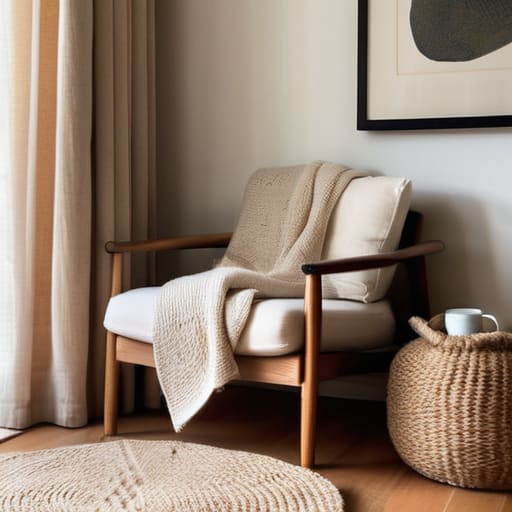
To pull this off without making your living room feel like a sterile gallery, you have to lean heavily into textural elements in home decor. Since you aren’t relying on a mountain of trinkets to fill the shelves, you need to let materials do the heavy lifting. Think a heavy linen curtain brushing against a reclaimed wood side table, or a thick wool rug grounding a simple seating area. By focusing on how things feel rather than just how they look, you achieve that effortless balance of simplicity and deep, soul-soothing comfort.
Small Shifts for a Major Cozy Upgrade
- Layer the textures. Don’t just settle for one blanket; mix a chunky wool knit with a soft faux-fur throw. It’s all about that tactile, “sink-into-it” feeling when you finally sit down for the evening.
- Go heavy on the warm lighting. Ditch the harsh overhead lights—they’re the ultimate hygge killer. Instead, scatter some amber-toned lamps and way more candles around the room to create those soft, dancing shadows.
- Bring the outside in, but keep it organic. A few sprigs of dried eucalyptus or a simple wooden bowl filled with pinecones adds a sense of calm that plastic decor just can’t touch.
- Create a dedicated “nook.” You don’t need a whole new room; just find one corner, add a comfortable chair, a small side table for your tea, and a soft rug. It becomes your personal sanctuary for reading or just zoning out.
- Curate, don’t clutter. Hygge isn’t about filling every shelf; it’s about surrounding yourself with things that actually feel good. If an object feels cold or purely functional without soul, it doesn’t belong in your cozy zone.
The Hygge Cheat Sheet
Focus on texture over clutter; swap out cold surfaces for chunky knits, faux fur, and soft linens to create instant warmth.
Layer your lighting by ditching the harsh overheads in favor of a “candle-first” approach and warm-toned lamps.
Curate your space for comfort, not just looks, by prioritizing items that actually make you want to slow down and linger.
## The Heart of the Home
“Hygge isn’t about buying a specific set of expensive linen pillows; it’s about creating a space that feels like a deep exhale the moment you walk through the door.”
Writer
Creating Your Own Sanctuary
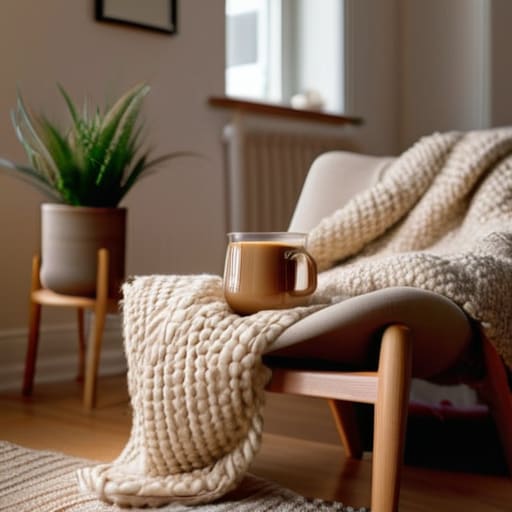
At the end of the day, building a hygge-inspired home isn’t about following a strict set of design rules or buying every expensive candle on the market. It’s really about the intentional blend of those Scandinavian principles we discussed, the calming influence of minimalism, and the way you layer textures to create warmth. Whether you’re focusing on soft lighting, decluttering your visual space, or simply finding the perfect nook for a morning coffee, the goal is to build an environment that actually serves your well-being. It’s about moving away from “showroom perfection” and moving toward a space that feels genuinely lived-in and loved.
Don’t feel like you have to overhaul your entire house overnight to achieve this feeling. Hygge is a slow burn; it’s a practice of noticing the small, quiet joys that happen within your four walls. Start small—maybe just a single textured throw or a new plant on your desk—and let your sanctuary evolve alongside you. Your home should be more than just a place to sleep; it should be a gentle exhale at the end of a long day. So, take a breath, dim the lights, and start curating a life of comfort, one cozy corner at a time.
Frequently Asked Questions
Can I still achieve a hygge vibe if my house is already cluttered or full of colorful stuff?
Honestly? Absolutely. Hygge isn’t about living in a sterile, white box; it’s about how a space feels. If your home is colorful and a bit chaotic, don’t sweat the clutter—just lean into “cozy maximalism.” Focus on softening the edges. Add some warm lighting to blur the mess, throw a textured blanket over that cluttered chair, and prioritize a few sensory wins like a scented candle or a soft rug. It’s about soul, not perfection.
Is it expensive to create a hygge home, or are there ways to do it on a tight budget?
Honestly? Not at all. One of the biggest misconceptions about hygge is that you need to go on a high-end furniture spree to achieve it. In fact, that’s the opposite of the vibe. Hygge is about soul, not price tags. It’s about repurposing that old linen sheet into a throw, hunting for unique thrifted ceramics, or simply rearranging your space to catch the afternoon sun. It’s more about intention than your bank account.
How do I balance the "cozy" feeling of hygge without making my living room feel messy or heavy?
The trick is to think about texture instead of clutter. Instead of piling on more “stuff,” swap out your smooth cotton pillows for something with a heavy weave or a faux-fur finish. It adds that cozy, tactile weight without taking up any extra physical space. Keep your surfaces mostly clear, but use a single, high-quality candle or a small wooden tray to ground the room. It’s about depth, not density.
