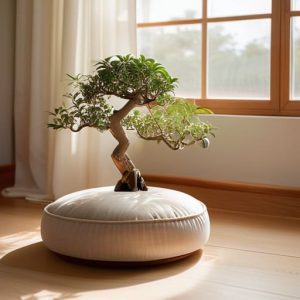
Let’s be honest: trying to find a moment of peace in a cluttered, chaotic house can feel almost impossible. I used to think I could just sit on my bed and “find my center,” but between the pile of laundry staring me down and the constant hum of the TV, my brain refused to shut up. I realized that if I wanted to actually succeed at mindfulness, I needed a physical boundary—a dedicated space that signaled to my nervous system that it was finally time to breathe. Finding the right meditation corner ideas isn’t just about interior design; it’s about creating a sacred boundary between your hectic daily life and your inner calm.
In this post, I’m stripping away the complicated Zen fluff and sharing five practical, soulful ways to build your own sanctuary. I’ll walk you through the essential elements that turn a random empty corner into a true retreat that actually works for your lifestyle. Whether you have a sprawling spare room or just a tiny sliver of space next to your bookshelf, these ideas will help you curate an environment that makes stepping into stillness the easiest part of your day.
Table of Contents
The Floor Pillow Retreat
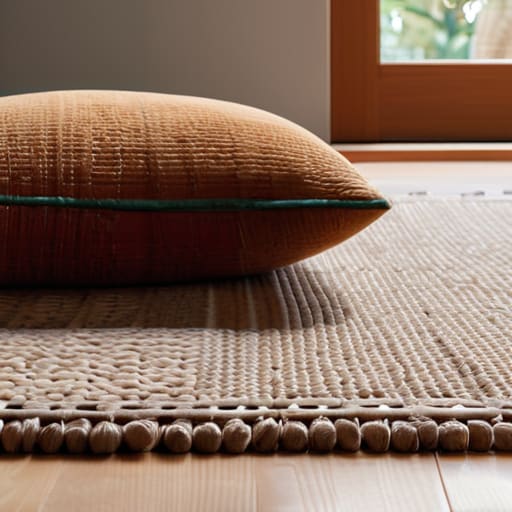
If you aren’t ready to commit to a full room makeover, start with the ground up. Grab a couple of oversized, velvet floor cushions and a thick jute rug to define your space. There’s something incredibly grounding about sitting low to the earth; it physically shifts your perspective and helps you leave the chaos of your daily life behind.
A Botanical Breathing Space
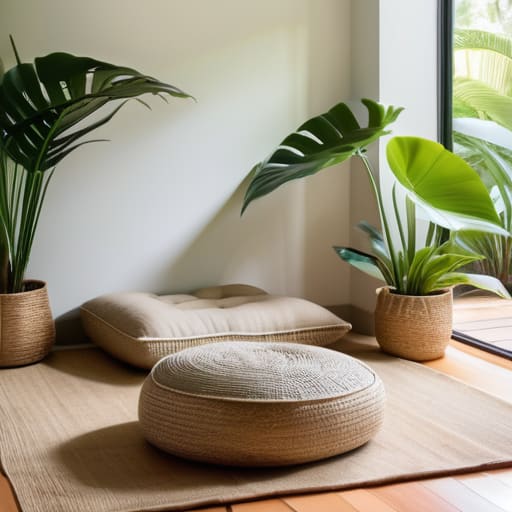
We all know that plants do more than just look pretty on a shelf. Bringing a bit of the outdoors inside can completely transform the energy of a corner. I love using tall, leafy varieties like a Monstera or a Snake Plant to act as a natural screen, creating a soft boundary between your meditation nook and the rest of your messy living room.
The Soft Glow Sanctuary
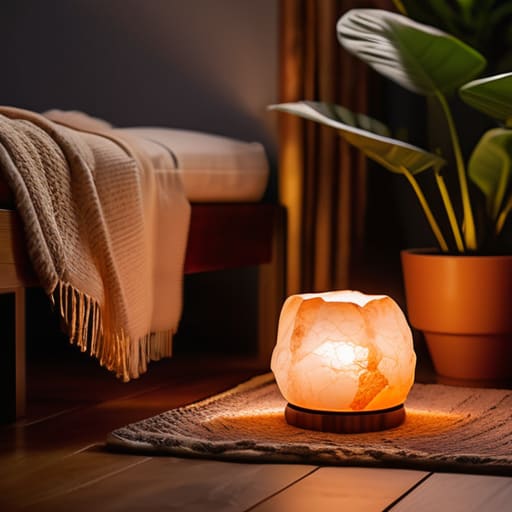
Lighting is everything when you’re trying to quiet your mind. Harsh overhead lights are the ultimate mood killer, so ditch them in favor of something much more intentional. A small Himalayan salt lamp or a string of warm fairy lights can cast a gentle, amber hue that signals to your brain it’s time to wind down.
An Altar of Intentions
If you’re feeling a bit overwhelmed by all the design choices, don’t sweat it—sometimes the hardest part is just finding the right rhythm to get started. I actually found that leaning into a few simple mindfulness exercises helped me settle into my new space much faster, and if you’re looking for more practical ways to deepen your practice, checking out blogpp is a total game changer for finding extra inspiration.
Sometimes, a corner feels empty because it lacks a focal point. Creating a tiny “altar” or a dedicated shelf can give your practice a sense of sacredness. This doesn’t have to be religious; it’s simply a place to hold the items that represent your personal journey. Think of it as a visual anchor for your focus.
The Soundscape Corner
If your home is a bit of a zoo—between noisy neighbors or a busy household—you might need to build a sensory barrier. Incorporating a small tabletop water fountain can work wonders. The repetitive, rhythmic sound of trickling water is one of the most effective ways to drown out mental chatter and external distractions.
Quick Tips for Your New Zen Space
Don’t overthink the setup; start with one comfortable cushion and a quiet corner, then layer in the decor as you go.
Focus on sensory details—soft lighting and a calming scent will do more for your practice than expensive gadgets.
Make it a dedicated spot that is strictly for stillness so your brain learns to switch into “calm mode” the moment you sit down.
Finding Your Center
“Your meditation nook doesn’t need to be a Pinterest-perfect showroom; it just needs to be the one spot in your house where the world finally stops asking things of you.”
Writer
Making It Your Own
At the end of the day, building your meditation nook isn’t about following a strict set of design rules or having a perfectly curated Pinterest aesthetic. It’s about gathering those small, intentional elements—whether it’s the soothing scent of a sandalwood candle, the tactile comfort of a velvet floor cushion, or the calming presence of a few leafy green plants—and bringing them together to serve a single purpose. By mixing sensory details like soft lighting with functional pieces that support your posture, you transform a random corner of your living room into a dedicated sanctuary that actually invites you to slow down.
Remember, your meditation space doesn’t need to be grand or expensive to be effective; it just needs to feel like home. There will be days when your corner feels like a magical escape and other days when it feels like just another spot to sit, and that is perfectly okay. The real magic happens in the consistency of showing up for yourself, even if it’s just for five minutes of quiet breathing. So, grab that rug, light that incense, and start cultivating your peace, one small corner at a time.
Frequently Asked Questions
How can I create a calming meditation space if I live in a tiny apartment with no extra room?
Honestly, don’t sweat the lack of square footage. You don’t need a dedicated room to find some peace. I’ve found that a simple floor cushion tucked into a sunny corner or even just a specific spot on a cozy rug works wonders. The trick is to make that tiny footprint feel intentional—maybe with a small tray for incense or a single plant. If it feels like a “sacred spot,” it is.
What are some budget-friendly ways to make my meditation nook feel more intentional?
You don’t need a massive budget to make a space feel sacred; it’s more about the energy than the price tag. Start by decluttering—nothing kills a zen vibe faster than a pile of laundry in your peripheral vision. Then, lean into sensory details. A single candle, a thrifted brass bowl for incense, or even just a soft, textured throw blanket can make the nook feel intentional rather than just a corner of your room.
Should I focus more on physical comfort, like cushions, or sensory elements like lighting and scent?
Honestly? Start with comfort. If your knees are aching or your back is stiff, you’re going to spend the whole session thinking about your body instead of your breath. Get your cushion and seating situation sorted first so you can actually sit still. Once you’ve nailed the physical part, then layer in the “vibes”—the candles, the dim lighting, the incense. Comfort is your foundation; sensory elements are just the cherry on top.
