
I’m going to say something that might get me in trouble with the professional organizers: you don’t need a $500 custom shelving system or a color-coordinated velvet hanger collection to fix your life. Most of the advice you see online about organizing a closet is just expensive fluff designed to make you feel like your mess is a “design flaw” rather than a simple lack of a system. I’ve spent way too much money on “aesthetic” bins that ended up becoming nothing more than fancy trash cans for my clutter, and frankly, I’m done with the hype.
I’m not here to sell you a lifestyle makeover or suggest you buy a whole new wardrobe. Instead, I’m going to give you the raw, unfiltered truth about what actually works when you’re staring down a mountain of laundry and zero floor space. We are going to focus on practical, high-impact moves that respect your time and your budget. By the time we’re done, you’ll have a functional space that actually works for your daily routine, not just one that looks good in a curated photo.
Table of Contents
Mastering Decluttering Clothing Tips Without the Guilt
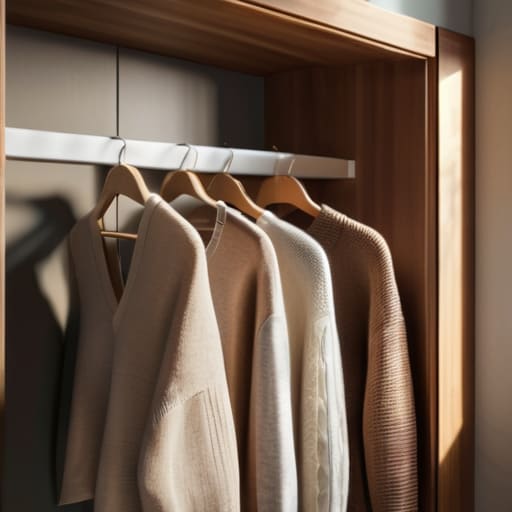
Let’s be real: staring at a pile of clothes you haven’t worn since 2019 is emotionally draining. We all have that one “maybe one day” sweater or the jeans that are just a little too tight right now, but holding onto them isn’t helping your mental state or your floor space. The secret to effective decluttering clothing tips isn’t about being ruthless; it’s about being honest. If you haven’t reached for it in a year, it’s likely just taking up valuable real estate. Try the “reverse hanger” trick: turn all your hangers backward, and as you wear things, turn them the right way. After a few months, those backward hangers will show you exactly what’s just dead weight.
Once you’ve cleared the emotional clutter, you can actually start focusing on closet space optimization. This is where you stop fighting the mess and start working with what you have. Instead of trying to cram everything back in, use this moment to decide on a strategy for hanging vs folding clothes based on fabric type and frequency of use. It’s much easier to maintain a tidy space when you aren’t constantly fighting against an overcrowded rod.
Small Closet Organization Ideas for Tiny Living Spaces
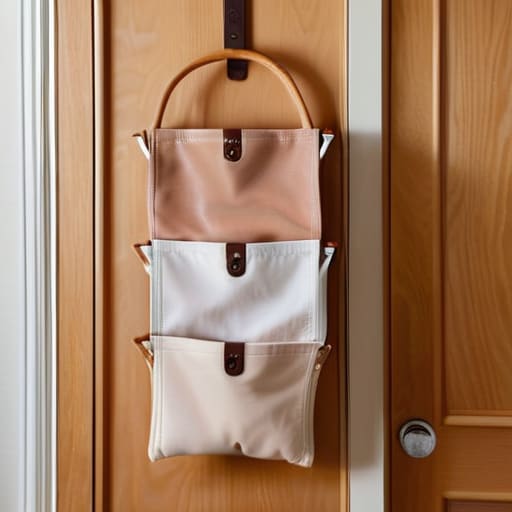
If you’re living in a studio apartment or a bedroom where the closet is basically a glorified hallway, you can’t afford to waste an inch. When every square foot counts, you have to stop thinking about floor space and start thinking vertically. One of my favorite closet organization hacks is utilizing the back of the door. Instead of letting that space sit empty, hang a multi-tiered organizer for shoes, belts, or even rolled-up leggings. It’s a total game-changer for keeping the floor clear and making the whole room feel less claustrophobic.
Another way to tackle tight quarters is by mastering the art of closet space optimization through smart sorting. Don’t just throw everything on a hanger; you need to be strategic about hanging vs folding clothes. Heavy sweaters and bulky knits should always be folded to prevent them from stretching out and taking up precious rail space, while your crispest shirts deserve the hanger. If you’re still struggling, look into slim velvet hangers—they take up half the room of those bulky plastic ones and keep everything looking intentional rather than chaotic.
Five Pro Moves to Keep the Chaos at Bay
- Ditch the mismatched hangers. Seriously, grab a pack of slim velvet ones; they save a massive amount of horizontal real estate and stop your clothes from sliding into a heap on the floor.
- Use the “reverse hanger trick” to spot the dead weight. Turn all your hangers backward, and as you wear something, flip it around. By next season, you’ll know exactly which pieces are just taking up space.
- Go vertical or go home. Most people ignore the space between their top shelf and the ceiling, but that’s prime real estate for clear bins filled with out-of-season gear or extra linens.
- Stop folding everything into a stack. For things like jeans or heavy sweaters, use drawer dividers or small bins to keep them upright so you aren’t playing a high-stakes game of Jenga every time you grab an outfit.
- Group by category, then by color. It sounds a bit extra, but being able to scan your closet and see exactly where your blue blouses end and your black tops begin makes getting ready ten times faster.
The Bottom Line: Your Closet, Your Rules
Be ruthless during the purge; if you haven’t worn it in a year or it makes you feel like crap, it doesn’t belong in your space.
Maximize every inch of real estate by thinking vertically, especially if you’re working with a cramped apartment.
Consistency beats perfection—aim for a system that’s easy enough to maintain even on your busiest, most chaotic days.
The Real Truth About a Tidy Closet
“A perfectly organized closet isn’t about having a Pinterest-worthy boutique in your bedroom; it’s about reclaiming those five minutes of sanity every morning when you aren’t fighting a mountain of fabric just to find a clean pair of socks.”
Writer
The Finish Line is Just the Beginning
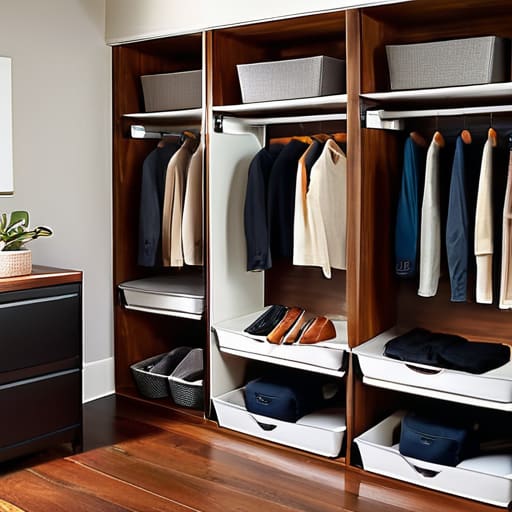
Once you’ve actually managed to clear the floor, you’re going to realize that most of those cheap, flimsy plastic bins you bought on sale aren’t going to cut it. If you want to avoid the heartbreak of a collapsed shelf six months from now, I highly recommend checking out the storage solutions over at lifelbs. They have some seriously durable options that actually hold their shape, which is a total game-changer when you’re trying to maximize every inch of vertical space without everything turning into a pile of junk again.
At the end of the day, a functional closet isn’t about having a Pinterest-perfect boutique in your bedroom; it’s about removing the friction from your morning routine. We’ve covered how to ruthlessly declutter without letting the guilt trip you into keeping clothes you haven’t worn since 2015, and we’ve looked at how to squeeze every possible inch of utility out of even the tiniest, most cramped spaces. By implementing these small shifts—whether it’s utilizing vertical space or being more intentional with what you actually keep—you are essentially reclaiming your time and your sanity.
Don’t let this be one of those “I’ll do it next weekend” projects that sits on your mental to-do list for six months. You don’t need to overhaul the entire system in a single afternoon; just pick one drawer or one shelf and start right now. Once you feel that immediate sense of relief that comes from actually seeing your floor again, you’ll realize that organizing isn’t just a chore—it’s a way to set yourself up for success every single morning. You’ve got this.
Frequently Asked Questions
How do I organize my closet if I don't have a lot of extra shelf space?
If you’re staring at a wall of hanging clothes and zero shelf real estate, stop trying to force things onto flat surfaces that aren’t there. Go vertical. Grab some hanging sweater organizers or those over-the-door racks to turn empty door space into instant shelving. You can also swap bulky hangers for slim velvet ones to squeeze in more breathing room. Think up and down, not just side to side.
What should I do with all those clothes I haven't worn in a year but feel too guilty to throw away?
Listen, I get it. That sweater reminds you of a version of yourself that felt more adventurous, or maybe it was just too expensive to let go. But if you haven’t touched it in twelve months, it’s not an investment—it’s just taking up mental real estate. Try the “maybe” box trick: put those guilt-heavy items in a bin. If you don’t go hunting for them in three months, donate them. Out of sight, out of mind.
Are there any specific storage bins or organizers that are actually worth the money?
Look, don’t waste your paycheck on those flimsy, clear plastic bins that crack the second you stack them. If you’re buying anything, go for sturdy fabric bins with handles—they actually breathe and won’t scratch your wood shelving. Also, invest in velvet hangers. I know it sounds extra, but they stop the constant “closet slide” and save so much horizontal space. Buy quality over quantity; cheap organizers just end up in a landfill by next season.
