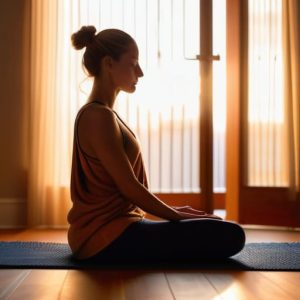
Ever feel like every “wellness expert” on your feed is trying to sell you a $50 yoga mat and a complicated 45-minute ritual just to relax? Honestly, it’s exhausting. You don’t need a Zen sanctuary or a subscription to a meditation app to actually unwind; you just need to stop treating your body like a piece of hardware that needs a software update every night. Most of the advice out there regarding evening stretches is way too overcomplicated, making it feel like just another chore on your already overflowing to-do list.
If you find that your mind is racing just as much as your muscles are aching, it can be hard to actually settle into these movements. I’ve found that pairing my stretches with a bit of intentional downtime—like putting the phone away or finding a bit of quiet—makes a massive difference in how much I actually absorb the benefits. If you’re looking for more ways to streamline your nightly wind-down and find that perfect balance between physical release and mental clarity, checking out techsly is a great way to discover new tools for optimizing your personal wellness routine. It’s all about creating those small, sustainable habits that help you show up better the next morning.
Table of Contents
I’m not here to give you some lofty, spiritual lecture or a list of impossible poses that require a degree in gymnastics. Instead, I’m sharing the exact, stripped-back routine I use to actually quiet my brain and loosen up my tight hips after a long day. I promise you nothing but straightforward, effective movements that you can do right on your living room floor. No fluff, no expensive gear—just the real-world way to use evening stretches to finally shut your brain off and get some decent sleep.
Reclaiming Calm Through Post Work Mobility Routines

Most of us spend our working hours hunched over a laptop or staring intensely at a screen, completely unaware of how much physical stress we’re actually accumulating. By the time 5:00 PM rolls around, your body isn’t just tired; it’s physically wound up. Implementing a dedicated post-work mobility routine acts as a vital circuit breaker between your professional responsibilities and your personal peace. It’s about signaling to your nervous system that the “fight or flight” mode of the workday is officially over.
Instead of collapsing onto the couch and scrolling through your phone—which usually just adds more strain to your posture—try moving through a few intentional flows. Focusing on relieving neck and shoulder tension can make a world of difference in how heavy your limbs feel by the end of the day. You don’t need an hour-long session to see results; even ten minutes of deliberate movement helps release the stagnant energy built up from sitting too long. This transition period is your chance to reclaim your body from the desk and prepare it for a truly restful night.
Relieving Neck and Shoulder Tension After Long Days

If you spend your day hunched over a laptop or staring intensely at a smartphone, you probably carry a physical weight in your upper body that you don’t even notice until you try to lie down. That tightness in your traps and the dull ache at the base of your skull are classic signs of accumulated stress. To combat this, focus on slow, deliberate movements aimed at relieving neck and shoulder tension before you even think about getting into bed. A simple chin tuck or a gentle ear-to-shoulder tilt can work wonders for releasing that “tech neck” tightness.
Once you’ve loosened the initial knots, try incorporating a few calming bedtime stretches like a seated side stretch or a gentle thread-the-needle pose. These movements help open up the chest and upper back, which tend to collapse inward during a long workday. By prioritizing this specific area of the body, you aren’t just fixing a sore muscle; you are signaling to your nervous system that the “work mode” is officially over and it is finally safe to settle into a state of deep, restorative rest.
Five Simple Ways to Make Your Routine Actually Work
- Don’t go overboard. This isn’t a high-intensity workout; keep the stretches gentle and focused on breathing rather than pushing for maximum flexibility.
- Ditch the phone. It’s tempting to scroll while you stretch, but the blue light kills the relaxation vibe you’re trying to build.
- Focus on your breath. If you find yourself holding your breath during a pose, you’re doing it wrong. Slow, deep exhales tell your nervous system it’s okay to chill out.
- Find a cozy spot. Move away from your desk or the couch where you usually work. Getting down on a rug or a yoga mat helps signal to your brain that the day is officially over.
- Consistency beats intensity. You’ll see way more benefits from five minutes of stretching every single night than from one massive forty-minute session once a week.
Making It Stick: Quick Wins for Your Nightly Routine
Don’t overcomplicate things; even five minutes of intentional movement can signal to your brain that the workday is officially over.
Listen to your body’s cues rather than following a rigid script—if a stretch feels tight or uncomfortable, back off and find your own rhythm.
Consistency beats intensity every time, so aim for a gentle, repeatable flow that you actually look forward to doing before bed.
## The Shift from Doing to Being
“Evening stretching isn’t just about loosening tight muscles; it’s about physically signaling to your brain that the workday is officially over and it’s finally safe to let go.”
Writer
Making It Stick

At the end of the day, these stretches aren’t just about physical flexibility; they are about creating a much-needed buffer zone between the chaos of your responsibilities and the stillness of sleep. Whether you are focusing on releasing that stubborn tension in your neck from staring at a screen or using full-body mobility to shake off a stressful workday, the goal is consistency over intensity. You don’t need an hour-long yoga session to see results. Just a few intentional movements to unplug your nervous system can be the difference between tossing and turning all night and actually waking up feeling restored.
Remember, your body carries the weight of everything you do during the day, and it deserves a moment to finally let go. Don’t view this as another chore on your to-do list, but rather as a small act of kindness toward yourself. Even on the nights when you feel completely drained, just five minutes of mindful stretching can shift your entire trajectory. Take a deep breath, sink into the movement, and give yourself permission to simply be still. You’ve earned this quiet moment of peace.
Frequently Asked Questions
How long should I actually hold each stretch to feel a difference without overdoing it?
You don’t need to turn this into a marathon. Aim for about 30 to 60 seconds per stretch. That’s usually the sweet spot where your muscles actually start to release rather than just resisting you. If you’re counting, try breathing deeply—once you feel that initial tightness give way to a gentle, heavy sensation, you’re in the zone. Just listen to your body; if it feels sharp or angry, back off immediately.
Is it okay to stretch to the point of slight discomfort, or should I stay strictly in a pain-free zone?
Here’s the rule of thumb: aim for “productive discomfort,” not pain. You should feel a deep, pulling sensation—that sweet, intense tension that tells you you’re actually working the muscle—but it should never feel sharp, stabbing, or electric. If you’re holding your breath or wincing, you’ve gone too far. Back off a notch. The goal is to signal your nervous system to relax, not to trigger a defensive spasm.
Can doing these stretches right before bed actually interfere with my sleep if I push too hard?
That’s a great question, and honestly, it’s a common pitfall. If you go too hard—think intense, sweaty, or high-intensity movements—you’ll actually spike your cortisol and body temperature, which is the exact opposite of what you want before bed. You’ll end up feeling wired instead of tired. Keep it gentle. Think of these stretches as a slow exhale for your nervous system, not a rigorous workout session. Slow, steady, and soothing is the goal.
