
I still remember sitting on a plastic stool in a humid Bangkok alleyway, sweat stinging my eyes while a motorbike roared past my ear, narrowly missing my bowl of spicy noodles. The air was a thick, chaotic soup of jasmine, diesel fumes, and grilled meat, and in that exact moment, I realized everything the glossy travel brochures had told me was a lie. Most people think traveling through asia is about finding zen in a silent temple or posing for the perfect, filtered sunset shot, but the real magic happens when you’re completely lost, slightly overwhelmed, and wondering if you made a huge mistake.
Look, I’m not here to sell you a curated, sanitized version of the East that looks good on a Pinterest board. I’ve spent years getting my boots dirty and my stomach turned, and I’m going to give you the raw, unfiltered truth about what it actually takes to navigate this part of the world. This isn’t a collection of expensive tour packages; it’s a no-nonsense roadmap built on real mistakes and hard-won lessons. I’ll show you how to handle the chaos, find the incredible food, and actually enjoy the ride.
Table of Contents
Crafting Your Perfect Southeast Asia Backpacking Itinerary
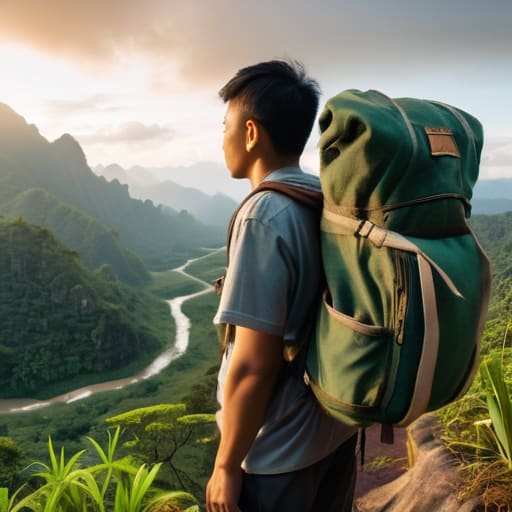
Look, the biggest mistake I see people make is trying to cram fifteen countries into a single month. You’ll end up spending more time in cramped overnight buses than actually seeing anything. When you’re building your southeast asia backpacking itinerary, think in loops rather than straight lines. Start in Bangkok, work your way up through Laos, and loop back through Vietnam. This keeps your transit costs low and your sanity intact.
Don’t just follow a checklist of “must-see” temples, either. Leave at least three or four days of complete unplanned chaos in your schedule. That’s usually when the best stories happen—like finding that hidden waterfall or stumbling into a local festival you didn’t know was happening.
One thing I quickly learned is that you can’t just wing every single detail if you want to avoid total burnout. While I’m a huge fan of spontaneity, having a solid toolkit for organizing your thoughts and research makes a massive difference when you’re staring at a map trying to decide which train to catch next. I’ve actually been using bloglabs lately to keep my notes and travel ideas from turning into a complete mess, and it’s honestly been a total lifesaver for staying organized while I’m on the move. It’s those little organizational wins that keep the chaos from becoming overwhelming.
While you’re mapping it out, keep a close eye on your wallet. I’ve found that the real magic happens when you lean into budget travel tips asia, like eating where the locals eat and staying in social hostels. It’s not just about saving money; it’s about being in the thick of the action rather than tucked away in a sanitized tourist bubble.
Navigating Solo Travel Safety Asia Without Fear

Let’s address the elephant in the room: the “is it safe?” question. If you’re staring at a map of the continent feeling a little paralyzed, take a breath. For the most part, solo travel safety in Asia isn’t about looking over your shoulder every five seconds; it’s about trusting your gut. Most travelers I’ve met find that people are incredibly welcoming, but you still need to play it smart. Avoid flashy, overly expensive scams in tourist hubs, and if a random stranger is being way too helpful with your luggage, just keep walking.
Another big piece of the puzzle is understanding the local vibe. A lot of what people mistake for “danger” is actually just a misunderstanding of cultural etiquette in Asia. For example, knowing how to dress modestly when visiting temples or understanding how to haggle without being disrespectful can prevent a lot of unnecessary tension. It’s not about being scared; it’s about being respectful and aware. Once you master that balance, the fear disappears, and you’re left with nothing but the magic of the journey.
Pro-Tips for Not Losing Your Mind (or Your Luggage)
- Pack light, like, seriously light. You’ll be hopping on cramped buses and navigating narrow alleyways, and trust me, dragging a 50lb suitcase through a monsoon is a special kind of hell you don’t want to experience.
- Embrace the “slow travel” vibe. It’s tempting to try and hit five countries in three weeks, but you’ll end up spending your whole trip in transit. Pick a region, stay a while, and actually get to know the local street food spots.
- Download offline maps and translation apps before you land. There’s nothing quite as humbling as standing in the middle of a bustling market in rural Vietnam, staring at your phone while the data signal disappears into thin air.
- Keep a “buffer day” in your schedule. Between sudden flight delays, getting lost, or just needing a day to rot in a cafe and recover from a hangover, your itinerary needs breathing room or it will break you.
- Learn the “magic words” in the local language. You don’t need to be fluent, but being able to say “please,” “thank you,” and “not spicy” in the local tongue goes a long way in turning a transaction into a genuine human connection.
The Real Talk: What You’ll Actually Carry Home
Forget the rigid schedules; the best parts of Asia happen when you ditch the itinerary and follow a local’s recommendation or a random whim.
Safety isn’t about being paranoid, it’s about being street-smart—trust your gut, keep your tech tucked away, and always have a backup plan.
Pack light, breathe deep, and embrace the chaos, because the moments that feel the most overwhelming are usually the ones you’ll remember forever.
The Soul of the Journey
“Asia isn’t a checklist of temples and beaches; it’s the way the humidity hits your skin at midnight, the chaos of a motorbike swarm, and that sudden, quiet realization that you’re exactly where you’re supposed to be.”
Writer
The Final Verdict
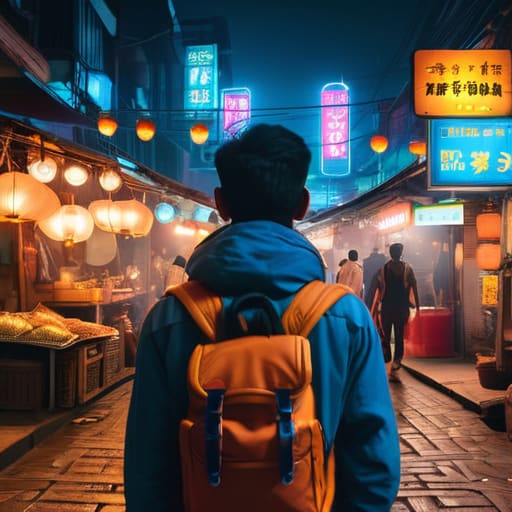
Look, I know it feels like a lot to juggle. Between mapping out a Southeast Asian route that doesn’t leave you burnt out and figuring out how to stay safe while wandering through neon-lit alleys or remote mountain villages, the logistics can feel heavy. But remember: the best parts of traveling through Asia aren’t the ones you can pre-plan in a spreadsheet. It’s about finding that balance between smart preparation and the ability to let go when things inevitably go sideways. Whether you’re navigating solo or with a crew, just keep your wits about you, stay flexible, and trust your gut.
At the end of the day, Asia isn’t just a destination on a map; it’s a sensory overload that will change how you see the world. You’re going to come home with more than just a camera roll full of sunsets and street food; you’ll bring back a version of yourself that is more resilient, more curious, and infinitely more alive. Don’t wait for the “perfect” moment or the “perfect” budget to book that flight. Just get out there and let the chaos of the continent teach you everything it can. The magic is waiting for you in the middle of the mess.
Frequently Asked Questions
How much money should I actually set aside for a daily budget in Southeast Asia vs. East Asia?
Here’s the reality check: Southeast Asia is a budget traveler’s playground. If you’re living on street food and hostels in Vietnam or Thailand, $35–$50 a day is your sweet spot. But don’t get complacent. East Asia—think Tokyo or Seoul—is a whole different beast. You’ll need to double, maybe even triple that, to cover decent meals and transport. Expect to shell out $100–$150 daily if you don’t want to be constantly checking your bank balance.
Is it better to book all my transport and hostels in advance, or just wing it as I go?
Honestly? Wing it. If you book every single hostel and bus three weeks out, you’re basically trapping yourself in a rigid schedule. The magic of Asia happens when you meet a group of travelers in a hostel and decide, “Hey, let’s head to Pai tomorrow instead.” Just book your first two nights and your flight in, then let the road decide the rest. Leave room for the unexpected.
What are the best ways to handle the massive language barriers in more remote parts of the continent?
Honestly, once you leave the tourist hubs, your textbook phrases won’t save you. Forget perfect grammar; focus on being a human. Download Google Translate for offline use—it’s a lifesaver—but don’t rely on it for everything. Learn the “magic” words: thank you, please, and excuse me in the local tongue. Most importantly, lean into the awkwardness. Use hand gestures, draw in a notebook, and smile. A little patience and a lot of pantomime go further than any app.
