
Ever spent forty-five minutes squinting at a page, only to realize your expensive designer floor lamp is actually the reason you have a pounding headache? It’s infuriating. We’ve been sold this idea that lighting is some high-concept interior design puzzle, but most of the “expert” advice out there is just fluff. In reality, bad reading lamp placement isn’t a design flaw; it’s a physical assault on your eyes. I’ve spent way too many nights fighting glare and shadows because I followed a “stylized” layout instead of just focusing on what my eyes actually needed to see the words.
I’m not here to talk about color palettes or how a lamp matches your rug. I’m here to tell you exactly where to put your light so you can actually sink into a story without feeling like you’re in an interrogation room. I’ve tested the angles, the heights, and the weird shadow patterns, and I’m stripping away all the nonsense. Consider this your straight-to-the-point guide on getting your setup right the first time, based on what actually works when the sun goes down.
Table of Contents
Finding the Perfect Ambient vs Task Lighting Balance
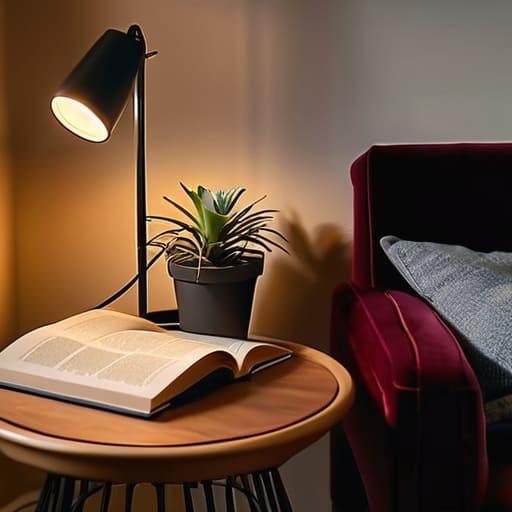
If you’re still feeling a bit lost when it comes to picking out the actual hardware, don’t sweat it—getting the technical specs right can be a total headache. I actually found a really helpful breakdown over at blogly that simplifies the whole process of choosing between different bulb types and stand heights. It’s a great way to stop guessing and start building a setup that actually works for your specific space.
The biggest mistake I see people make is relying solely on one light source. If you’re sitting in a pitch-black room with just a single, bright lamp pointed at your book, you’re basically asking for a headache. That harsh contrast is a recipe for disaster. To get that perfect ambient vs task lighting balance, you need a soft layer of light filling the room—think a warm overhead glow or a subtle side lamp—to soften the shadows. This prevents your pupils from constantly dilating and contracting, which is the real secret to eye strain prevention lighting.
Once you have that base layer, you can layer in your specific task light. This is where you get intentional. I always recommend looking for dimmable reading lights so you can fine-tune the intensity based on the time of day. If it’s a rainy afternoon, you might want things a bit brighter, but for a late-night session, you’ll want to dial it back. It’s all about creating a cozy, layered environment that feels intentional rather than just functional.
The Secret to Optimal Light Temperature for Reading
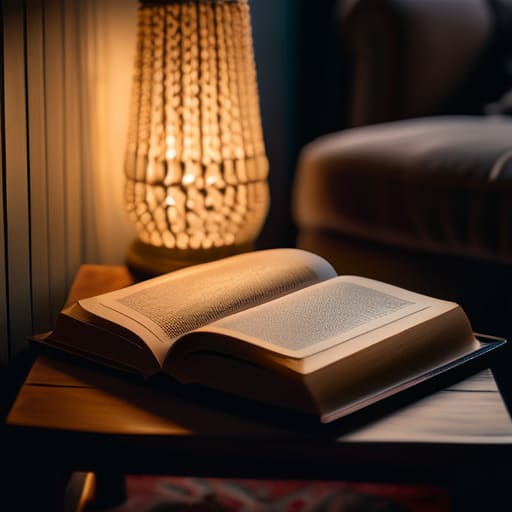
Most people think any light will do as long as it’s bright enough, but that’s a quick way to end up with a headache. If you’re using a bulb that’s too “cool” or blue-toned, it can feel like you’re reading under harsh office fluorescents, which is totally jarring when you’re trying to unwind. On the flip side, a light that’s too warm might make you feel sleepy before you even finish the first chapter. Finding the optimal light temperature for reading is really about finding that sweet spot—usually somewhere in the warm white range—that keeps the text crisp without feeling clinical.
If you want to get serious about your setup, I highly recommend investing in dimmable reading lights. This gives you the freedom to tweak the intensity based on the time of day or even the season. There is nothing worse than a lamp that’s either blindingly bright or so dim you’re squinting at the page. Being able to dial the warmth and brightness up or down makes a massive difference in eye strain prevention lighting, ensuring your cozy corner stays comfortable no matter how long you settle in.
Quick Wins for Better Reading Light
- Don’t place your lamp directly in front of you; instead, aim it from the side or slightly behind your shoulder to stop glare from hitting your pages.
- Make sure the light source isn’t so high that it casts a shadow of your own head over the book you’re trying to read.
- Position your lamp close enough to catch the fine print, but far enough away that the bulb doesn’t feel like it’s invading your personal space.
- If you’re reading in a corner, try to angle the light toward the center of your reading nook rather than just pointing it straight down at the floor.
- Keep your lamp within arm’s reach so you aren’t constantly getting up and breaking your flow just to adjust the brightness.
Quick Tips for Better Reading Light
Don’t just rely on one big overhead light; layer in a dedicated task lamp to hit your pages without washing out the rest of the room.
Keep your light source slightly to the side of your reading position to avoid that annoying glare reflecting off your book or e-reader.
Stick to warmer, softer tones for evening reading so you aren’t accidentally tricking your brain into thinking it’s midday.
The Golden Rule of Light
“A good reading lamp shouldn’t just light up the page; it should disappear into the room, leaving nothing but the words and a cozy corner that feels entirely your own.”
Writer
Setting the Scene for Your Next Chapter

At the end of the day, getting your reading lamp placement right isn’t about following a strict set of interior design rules; it’s about eliminating the friction between you and your story. We’ve covered how to balance that soft ambient glow with a sharp task light, and why choosing a warm temperature is the secret to preventing that dreaded eye strain. When you stop fighting with shadows and glare, you stop focusing on the discomfort and start focusing on the words. It really comes down to intentionality—making sure your setup works for your eyes, not against them.
Think of your reading nook as a sanctuary, a small corner of the world where the chaos of life can finally quiet down. By taking a few minutes to tweak your lighting, you aren’t just moving furniture around; you are curating an experience. You are building a space that invites you to slow down, breathe, and get lost in another world for a while. So, go ahead and nudge that lamp a few inches to the left or swap out that harsh bulb. You deserve a reading environment that feels just as magical as the books you love to read.
Frequently Asked Questions
Should I place the lamp on the same side as my dominant hand to avoid shadows?
Yes, absolutely. If you’re right-handed, put the lamp on your left side—and vice versa. It sounds like a small detail, but it’s a total game-changer. When the light comes from your dominant side, your hand won’t cast a massive shadow right over the words you’re trying to read. It keeps the page clear and prevents that annoying eye strain that happens when you’re constantly fighting against your own shadow.
Is it better to have a floor lamp or a small desk lamp for a reading nook?
Honestly, it depends on the vibe you’re going for. If you want that cozy, “tucked away” feeling in a dedicated nook, a small desk lamp is your best friend—it keeps the light focused right on your pages without washing out the whole room. But, if your nook is a bit more open or you like to shift around, a floor lamp is much more versatile. It gives you that soft, overhead glow that feels less cramped.
How far away from my chair should the light source actually be?
You don’t want the bulb hovering right over your shoulder like a spotlight, but you also don’t want it so far away that you’re squinting. Aim for about 15 to 20 inches from your book. Ideally, the light should hit the page from slightly above and to the side. This keeps the glare off the paper and prevents your own head from casting a shadow over the very lines you’re trying to read.
